Recycling Machinery Guide: Machine Types, Recycling Processes, Components and Material Applications
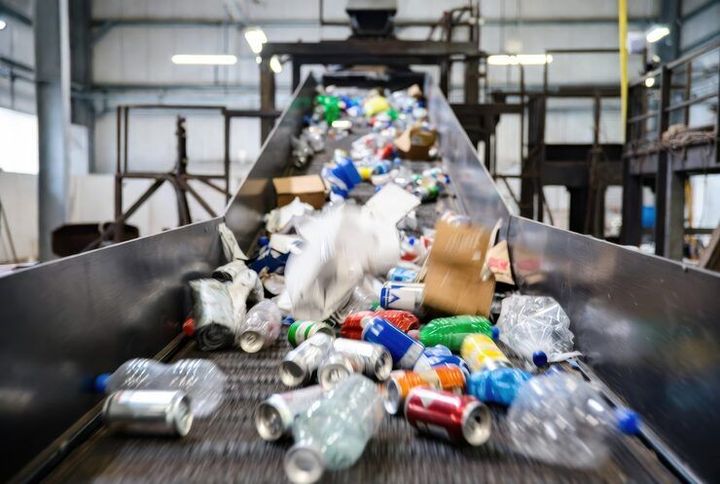
Recycling machinery refers to the equipment used to collect, separate, process, reduce, clean, and prepare discarded materials for further use. Recycling systems can handle materials such as plastics, paper, cardboard, glass, metals, rubber, construction debris, electronic waste, and organic material.
The development of recycling machinery is closely connected with the growth of modern waste management and resource recovery. As communities and industries began generating larger volumes of discarded materials, manual sorting and processing became difficult to manage at scale. Mechanical equipment was introduced to improve material separation and prepare recovered materials for subsequent manufacturing processes.
A recycling plant may use several machines rather than one piece of equipment. The exact combination depends on the incoming material, contamination level, required output, and processing method.
How a recycling system works
A typical recycling process can include several connected stages:
- Collection and reception: Incoming material is delivered to a designated processing area.
- Pre-sorting: Large unwanted objects and unsuitable materials are removed.
- Size reduction: Shredders, crushers, or granulators reduce material into smaller pieces.
- Separation: Screens, magnets, air systems, optical sorters, or other equipment separate different material groups.
- Cleaning: Washing or other cleaning processes remove dirt, labels, food residue, and other contaminants when required.
- Further processing: Materials may be compacted, baled, melted, pelletized, or otherwise prepared for subsequent use.
The sequence can vary considerably. A plastic recycling line, for example, can have washing and drying stages that are not required in a metal-processing system.
Common recycling machine types
| Machine type | Main function | Typical materials |
|---|---|---|
| Shredder | Reduces large items into smaller pieces | Plastic, rubber, wood, mixed waste |
| Crusher | Breaks rigid materials into smaller fragments | Glass, concrete, plastic |
| Granulator | Produces smaller, more uniform particles | Plastics, cables |
| Trommel screen | Separates material by particle size | Municipal and construction waste |
| Magnetic separator | Removes ferrous metals | Mixed waste, metal streams |
| Eddy current separator | Separates non-ferrous metals | Aluminium and mixed recyclables |
| Optical sorter | Identifies and separates selected materials | Plastics, paper, packaging |
| Baler | Compresses recyclable materials | Cardboard, paper, plastics |
| Washing system | Removes contaminants | Plastic flakes and other materials |
| Pelletizer | Converts processed plastic into pellets | Recycled plastics |
Importance
Recycling machinery matters because discarded materials are often mixed together, contaminated, bulky, or difficult to handle manually. Mechanical processing can divide these materials into more consistent streams that can undergo additional treatment.
The equipment is used in municipal recycling facilities, industrial plants, material recovery facilities, construction and demolition waste operations, plastic processing facilities, metal recovery systems, and specialized electronic waste facilities.
Problems recycling machinery addresses
A recycling system can address several practical challenges:
- Mixed materials: Different materials may need to be separated before further processing.
- Large material sizes: Bulky items may need shredding or crushing before separation.
- Contamination: Dirt, food residue, labels, and incompatible materials can reduce the usefulness of a recovered stream.
- Material density differences: Air classification and other separation methods can distinguish materials according to physical properties.
- Metal contamination: Magnetic and eddy current systems can separate particular metal fractions.
- Storage volume: Baling and compaction equipment can reduce the space occupied by processed materials.
Recycling equipment does not eliminate the need for proper collection and sorting. The quality of the incoming material can strongly affect the performance of the overall process.
Material-specific applications
Different materials require different processing approaches.
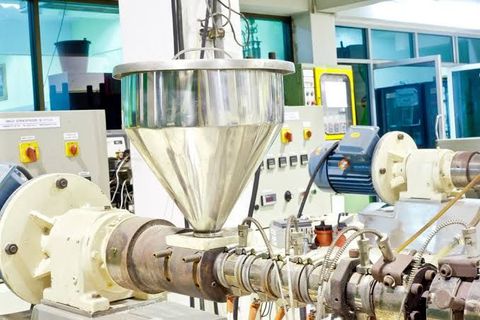
Plastic recycling machinery commonly includes shredders, granulators, washing systems, dryers, separators, extruders, and pelletizers. The sequence depends on the polymer type and the intended application of the processed material.
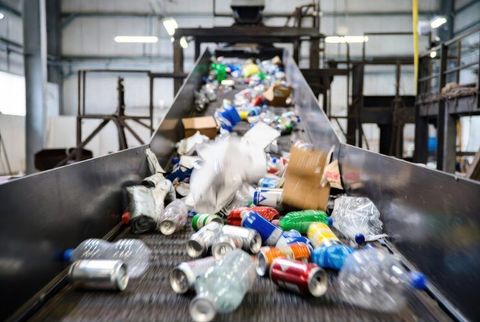
Paper and cardboard recycling systems commonly use conveyors, screens, sorting equipment, compactors, and balers. Fibre quality and contamination levels are important considerations during processing.
Metal recycling machinery can include shears, shredders, magnets, eddy current separators, and sorting systems. Ferrous and non-ferrous metals require different separation techniques.
Glass recycling systems may use crushers, screens, and sorting equipment to produce glass fragments of suitable size and remove unwanted materials.
Electronic waste recycling systems can involve dismantling, shredding, magnetic separation, eddy current separation, optical sorting, and specialized recovery stages. Electronic equipment can contain multiple material types, making controlled processing important.
Recent Updates
Recent developments in recycling machinery have increasingly focused on automation, material identification, energy management, and improved sorting accuracy. The wider movement toward circular resource use has also increased attention on technologies that can recover useful materials from complex waste streams.
The United Nations Environment Programme's Global Waste Management Outlook 2024 describes a continued increase in global municipal waste generation and examines pathways involving waste reduction, improved management, and circular-economy approaches.
Automation and intelligent sorting
Optical sorting systems are becoming an important part of modern material recovery facilities. Cameras, sensors, near-infrared systems, and software can identify differences in material type, colour, shape, or composition.
Automation can also be integrated with conveyors and sorting mechanisms to reduce the amount of manual intervention required for particular sorting tasks. The level of automation varies according to plant design and material characteristics.
Greater attention to material quality
Another current trend is greater attention to the quality of recovered materials rather than simply the quantity processed. Contamination, moisture, particle size, polymer type, and material composition can influence whether a recovered stream is suitable for a particular downstream application.
This has encouraged the development of multi-stage systems combining screening, sorting, washing, separation, and quality-control equipment.
Digital monitoring
Modern recycling plants can also incorporate sensors and digital monitoring systems. These may track throughput, equipment conditions, energy use, operating parameters, and material flow.
Digital systems can help operators identify changes in process performance and schedule maintenance based on equipment conditions rather than relying only on fixed intervals.
Laws or Policies
Recycling machinery is affected by environmental regulations, waste-management rules, product-specific requirements, and occupational safety requirements. These rules differ between countries and can also vary by material.
India as a policy example
In India, recycling activities are shaped by several environmental frameworks administered through central and state authorities. Plastic waste is covered by the Plastic Waste Management Rules, while broader municipal waste management is addressed through the Solid Waste Management Rules.
India's plastic-waste framework includes requirements concerning segregation, collection, processing, recycling, and the responsibilities of different participants. The Central Pollution Control Board notes that plastic recycling is to be carried out according to applicable rules, regulations, standards, and relevant Indian standards.
Extended Producer Responsibility, or EPR, is another important part of India's plastic-waste framework. It places specified responsibilities on producers, importers, and brand owners for the collection and recycling of covered plastic packaging waste.
The regulatory framework also covers electronic waste. India's E-Waste Management Rules have been updated through subsequent amendments, with the Ministry of Environment, Forest and Climate Change maintaining the applicable notifications and rules.
Recent policy developments have also included electronic mechanisms related to EPR certificates for several waste categories. CPCB documentation describes an electronic platform framework for trading and settlement of EPR certificates associated with plastic waste and other covered waste streams.
Because environmental regulations can change, specific compliance decisions require reference to the current rules issued by the relevant authority.
Tools and Resources
Several resources can help readers understand recycling processes, machinery, material classifications, and regulatory requirements.
Waste-management reports
The UNEP Global Waste Management Outlook 2024 provides information about global waste generation, waste-management approaches, and circular-economy pathways. It can be useful for understanding the broader context in which recycling technologies are being developed.
Material flow information
Material flow diagrams can help explain how waste moves through a recycling facility. A typical diagram may include:
- Input material
- Pre-sorting
- Size reduction
- Screening
- Material separation
- Cleaning
- Quality control
- Baling or pelletizing
- Recovered-material output
- Residual material
Machine specifications
Technical documentation for individual recycling machines can provide information about feed size, throughput, motor rating, screen dimensions, separation method, moisture tolerance, and maintenance requirements.
These specifications should be considered together because changing one part of a processing line can affect the operation of equipment further downstream.
Regulatory resources
For operations in India, the Ministry of Environment, Forest and Climate Change and Central Pollution Control Board provide regulatory documents and information concerning waste-management frameworks. CPCB materials also provide information about plastic waste, EPR, and related compliance requirements.
FAQs
What is recycling machinery?
Recycling machinery is a group of mechanical and automated equipment used to sort, reduce, clean, separate, compact, or otherwise process discarded materials. Different machines are selected according to the material and required output.
What are the main types of recycling machines?
Common types include shredders, crushers, granulators, screens, magnetic separators, eddy current separators, optical sorters, washing systems, balers, compactors, and pelletizers. A recycling facility may combine several of these machines into one processing line.
How does plastic recycling machinery work?
Plastic recycling machinery can process plastic through stages such as sorting, shredding, washing, drying, size reduction, extrusion, and pelletizing. Not every plastic recycling line uses all of these stages, because the process depends on the polymer and incoming material condition.
What machines are used for metal recycling?
Metal recycling systems can use shredders, shears, magnetic separators, eddy current separators, screens, and sorting equipment. The selected combination depends on whether the incoming stream contains ferrous metals, non-ferrous metals, or mixed materials.
Why is material separation important in recycling?
Separation allows different material types to be processed independently. It can improve the consistency of recovered material and reduce unwanted substances entering later processing stages.
Conclusion
Recycling machinery combines equipment for size reduction, separation, cleaning, sorting, compaction, and material preparation. Different waste streams require different combinations of machines because plastics, metals, paper, glass, electronics, and construction materials have different physical and processing characteristics. Recent developments have placed greater attention on automated sorting, digital monitoring, material quality, and circular resource use. Regulations also influence how recycling facilities collect, process, document, and manage different categories of waste.