Material Handling Equipment Insights: Types, Compenents, Applications and Key Operations
Material handling equipment refers to machines, systems, and tools used to move, lift, position, store, protect, or control materials within workplaces. Material handling equipment includes conveyors, cranes, hoists, forklifts, pallet trucks, storage systems, lifting accessories, and manual handling tools.
Context
The need for material handling developed as production and storage activities became larger and more organized. Moving heavy, bulky, fragile, or frequently handled materials manually can require significant physical effort and careful coordination. Equipment was developed to make these activities more structured and to help control how materials move through a workplace.
International standards classify material handling equipment into several broad areas, including lifting equipment, continuous handling equipment, industrial trucks, storage equipment, and manual handling equipment.
Basic role of material handling equipment
Material handling equipment performs different functions depending on the type of material and the working environment. Some equipment moves materials horizontally, while other systems lift loads vertically or keep materials organized during storage.
A typical material handling operation may involve receiving a load, transporting it to a designated location, placing it into storage, retrieving it later, and moving it to another stage of production or distribution.
The equipment selected for an operation depends on factors such as:
- Load weight and dimensions
- Distance and direction of movement
- Frequency of handling
- Available floor space
- Required lifting height
- Material characteristics
- Workplace conditions
- Required level of operator involvement
Importance
Material handling equipment plays an important role in workplaces where materials move continuously between different stages. Poorly planned movement can create congestion, unnecessary physical handling, damaged materials, and additional safety risks.
The subject affects warehouse workers, machine operators, maintenance personnel, production teams, supervisors, and other people who work around moving loads. Equipment design and workplace layout can influence how safely and efficiently materials are transferred.
Material handling is also connected with ergonomics. Manual handling tasks can involve lifting, carrying, pushing, pulling, or repetitive movement. Appropriate equipment can reduce the amount of direct physical handling required, although equipment itself introduces hazards that need to be controlled.
Main types of material handling equipment
Material handling equipment can be grouped according to its primary function. The categories are not always completely separate because one workplace may use several types together.
| Equipment category | Common examples | Main function |
|---|---|---|
| Conveying equipment | Belt, roller, chain conveyors | Continuous movement |
| Lifting equipment | Cranes, hoists, lifting tables | Vertical movement |
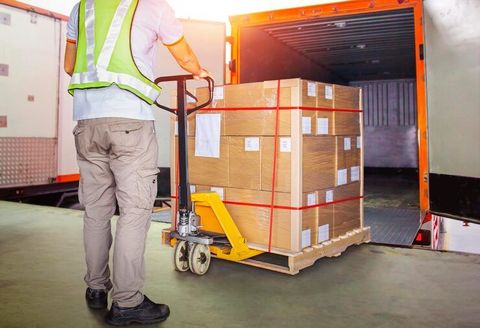
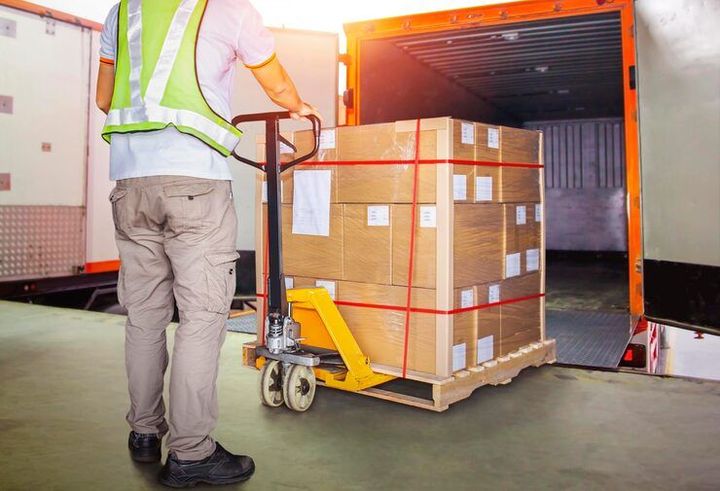
| Industrial trucks | Forklifts, pallet trucks | Transport and positioning |
| Storage equipment | Racks, shelving, bins | Organized storage |
| Manual equipment | Hand trucks, carts | Short-distance movement |
| Automated equipment | Automated vehicles, robotic systems | Programmed material movement |
The International Organization for Standardization groups industrial trucks, continuous handling equipment, lifting equipment, storage equipment, and manual handling equipment within its materials-handling classification.
Components of material handling equipment
Although designs differ, many systems contain several basic components. Structural frames provide support, while wheels, rollers, belts, chains, hooks, forks, or platforms interact directly with the material.
Power and control systems can include electric motors, hydraulic systems, pneumatic mechanisms, batteries, sensors, controllers, and switches. Safety components may include guards, brakes, emergency stopping mechanisms, load indicators, limit devices, and warning systems.
For lifting equipment, load-handling attachments are particularly important. International standards cover attachments such as lifting forks, clamps, lifting beams, vacuum lifters, and magnets for specific crane applications.
Recent Updates
Material handling has been changing as workplaces introduce more automation, sensors, digital monitoring, and electrically powered equipment. These developments are particularly visible in warehouses and manufacturing environments where repetitive material movement can be structured into predictable processes.
Automation can involve conveyor controls, automated storage systems, mobile robots, robotic arms, and computer-based monitoring. Industrial robots are already used for material handling, machine loading and unloading, assembly, and other repetitive activities.
Automation and intelligent systems
Modern material handling systems can combine sensors, software, cameras, navigation systems, and machine controls. These technologies can help equipment identify locations, track movement, detect obstacles, and coordinate different stages of material flow.
Automation does not remove the need for workplace safety planning. Robotic systems can introduce hazards during programming, maintenance, testing, setup, and adjustment, particularly when workers enter the equipment's operating area.
Electrification and sustainability
Electrification is another continuing development in industrial equipment. Battery-powered industrial trucks and electrically driven systems can reduce dependence on combustion-based equipment in suitable indoor environments.
International standardization work also increasingly addresses sustainability within industrial truck technology. ISO's committee for industrial trucks includes a dedicated area covering sustainability, alongside safety and general terminology.
Updated safety practices
Safety standards continue to develop as equipment designs and workplace practices change. ISO 12480-1:2024 provides general guidance for the safe use of cranes, including planning, selection, erection and dismantling, operation, maintenance, and the selection of relevant personnel.
These developments show that material handling is moving toward greater integration of mechanical equipment, electronic controls, automation, and structured safety procedures.
Laws or Policies
Material handling equipment is subject to different laws, regulations, and technical standards depending on the country, industry, equipment type, and workplace. There is no single global law covering every material handling operation.
International standards can provide technical frameworks for equipment design, testing, operation, and safety. ISO classifications include separate areas for cranes, conveyors, industrial trucks, storage equipment, and manual handling equipment.
Equipment safety requirements
Cranes are subject to standards covering safe operation, load handling, structural requirements, and associated equipment. ISO 12480-1:2024 describes a safe system of work that includes planning, equipment selection, operation, maintenance, and the selection of operators, slingers, and signallers.
Conveyor systems also have safety considerations involving moving parts, transfer points, guarding, installation, and operation. ISO maintains standards covering continuous handling equipment and conveyor safety.
Local workplace authorities may establish additional requirements concerning operator training, inspections, machine guarding, electrical safety, lifting equipment, personal protective equipment, and workplace layout. Therefore, equipment users need to consider both applicable regulations and relevant technical standards.
Tools and Resources
Several resources can help people understand, plan, operate, and maintain material handling systems. Equipment manuals and technical documentation provide information about rated loads, operating limits, inspection procedures, and maintenance requirements.
Standards databases can help identify technical requirements for particular equipment categories. ISO's materials-handling classification is useful for understanding how lifting equipment, conveyors, industrial trucks, storage equipment, and manual handling tools are categorized.
Workplace planning can also use basic calculation and documentation tools. Common examples include:
- Load-capacity calculations for selecting appropriate equipment
- Floor-layout drawings for planning movement paths
- Maintenance schedules for tracking inspections
- Equipment checklists for routine examinations
- Inventory records for monitoring material locations
- Risk-assessment templates for identifying workplace hazards
- Operator manuals for understanding equipment controls and limitations
Digital monitoring systems can provide information about equipment usage, operating conditions, battery levels, movement patterns, and maintenance requirements. Their usefulness depends on the equipment, workplace design, data quality, and how the information is interpreted.
Training materials and safety guidance from recognized occupational safety organizations can also help workers understand hazards associated with forklifts, cranes, conveyors, and automated equipment.
FAQs
What is material handling equipment?
Material handling equipment includes machines, tools, and systems used to move, lift, position, store, or control materials. Examples include conveyors, cranes, hoists, forklifts, storage racks, carts, and lifting accessories.
What are the main types of material handling equipment?
The main categories include conveying equipment, lifting equipment, industrial trucks, storage equipment, manual handling equipment, and automated handling systems. Different categories can be combined within the same workplace.
What are the main components of material handling equipment?
Common components include frames, wheels, rollers, belts, chains, motors, hydraulic or pneumatic systems, batteries, controls, sensors, brakes, guards, and load-handling attachments. The exact components depend on the equipment type.
Where is material handling equipment used?
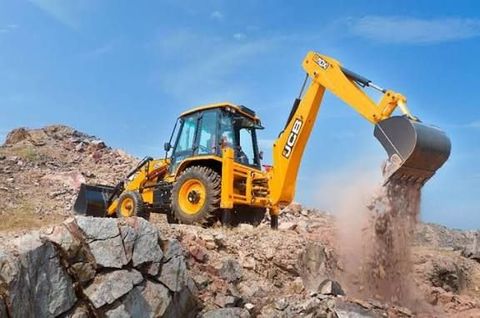
Material handling equipment is used in warehouses, manufacturing facilities, construction areas, distribution centers, ports, storage facilities, and other workplaces where materials need to be moved or stored.
How is automation changing material handling operations?
Automation is introducing technologies such as robotic systems, automated vehicles, sensors, computer controls, and automated storage systems. These technologies can handle repetitive movement tasks, while workers remain involved in supervision, maintenance, programming, planning, and safety activities.
Conclusion
Material handling equipment covers a wide range of machines and systems used for moving, lifting, positioning, and storing materials. Its major categories include conveyors, lifting equipment, industrial trucks, storage systems, manual tools, and automated technologies. Recent developments are bringing greater use of automation, electrification, sensors, and digital controls, while safety standards continue to address changing equipment and operating practices. Understanding equipment types, components, applications, and key operations provides a foundation for understanding how materials move through modern workplaces.