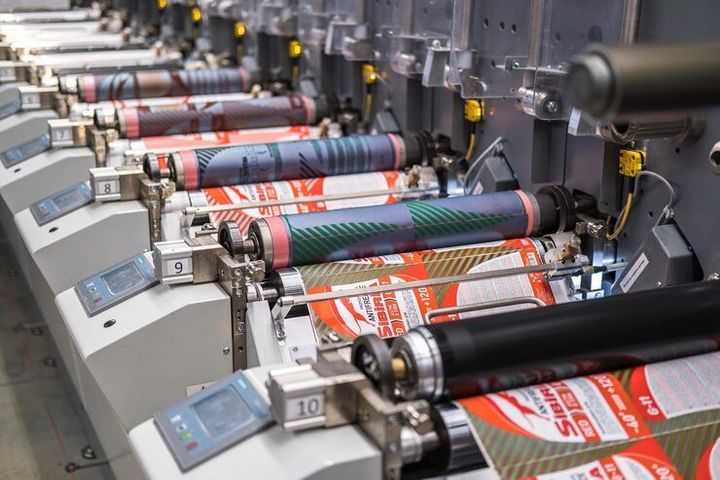
Label Printing Machines A Complete Guide to Process, Types & Quality Explained
A label printing machine is a device that applies text, graphics, barcodes, or other markings onto adhesive labels, tags, or packaging materials. These machines range from small desktop units used for organizing files or shipping parcels to large industrial systems used in factories and warehouses.
The concept of label printing dates back to early mechanical stamping and letterpress techniques used for marking goods. Over time, this evolved into more automated processes as businesses and institutions needed faster, more consistent ways to identify products, track inventory, and communicate information such as ingredients, warnings, or pricing.
Today, label printing machines are found in homes, offices, retail stores, warehouses, hospitals, and manufacturing plants. They typically work by feeding blank label stock through a printing mechanism, which then transfers ink, heat, or another medium onto the surface to create readable text or images.
How the Process Generally Works
Most label printing follows a similar general sequence, regardless of the machine type. A design or data file is created or selected, often including text, a barcode, or an image. The machine then processes this file and applies it to the label material using one of several printing methods.
Finally, the printed label may be cut, dispensed, or wound onto a roll for use. The exact process depends on the machine design, label format, and intended application.
Common Printing Methods
Different machines rely on different techniques to transfer an image onto a label. Direct thermal printing uses heat applied directly to specially coated paper, causing it to darken in the printed areas without ink or ribbon. Thermal transfer printing works differently, using a heated ribbon that transfers wax or resin onto the label surface, which can produce more durable results.
Inkjet and laser methods, which are also associated with general office printing, can be used for labels when higher color detail or photographic quality is needed.
Each method has different characteristics depending on the intended use. For example, labels exposed to heat, moisture, chemicals, or sunlight may require a different printing method from labels intended for short-term indoor use.
Importance
Label printing plays a functional role in daily life, even when people do not notice it directly. Grocery items, medical supplies, shipping boxes, warehouse containers, and office files often rely on printed labels for identification and tracking.
For businesses, accurate labeling supports inventory management, reduces errors in shipping, and helps meet basic labeling expectations for products. For individuals, label printers can be used for organizing storage, labeling files, or printing address labels for mail.
This topic also matters because labeling accuracy can affect safety and clarity. Mislabeled items, such as food products or medical containers, can create confusion or safety concerns. Reliable label printing processes help reduce these risks by producing clear, consistent, and legible information.
Common groups affected by this topic include:
- Small business owners who label products or shipments
- Warehouse and logistics staff who track inventory
- Retailers who print pricing or barcode labels
- Healthcare facilities that label samples or supplies
- Individuals organizing personal or household items
Label quality also connects to broader efficiency concerns. A label that peels off, smudges, or becomes unreadable can disrupt shipping schedules, cause scanning errors at checkout, or make it difficult to identify stored items later.
Because of this, many organizations treat labeling as a practical part of their overall operations rather than an afterthought.
Recent Updates
In recent years, label printing technology has continued to shift toward more compact, connected, and efficient systems. Many newer machines now support wireless connectivity, allowing users to print directly from computers, tablets, or phones without relying on physical cables.
There has also been a general trend toward more energy-conscious designs, with manufacturers focusing on reducing power consumption and material waste during printing. Thermal printing methods, which do not require traditional ink cartridges, have become increasingly common in applications where simple, durable identification is required.
Automation is another area of ongoing development. Some label printing systems can now integrate with inventory or shipping software, allowing labels to be generated and printed automatically based on order or stock data.
This reduces manual data entry and supports faster processing in warehouse and retail environments.
Overall, the general trend is toward simpler user interfaces, smaller device footprints, wireless connectivity, and closer integration with digital systems rather than standalone manual operation.
Laws or Policies
Label printing itself is generally not restricted by specific technology laws, but the content printed on labels can be subject to regulation depending on the product category and region.
In many regions, food and beverage labels must follow labeling standards established by food safety authorities. These requirements can include information such as ingredient lists, allergen details, nutritional information, production information, and expiration or use-by information.
Similarly, pharmaceutical and medical product labels are usually governed by health regulatory bodies that establish requirements for information such as dosage instructions, warnings, product identification, and other relevant details.
Shipping and logistics labels may also be subject to postal or customs authority requirements. International shipments, for example, may require specific information, documentation, or barcode formats.
It is important to note that these regulations generally apply to the content and accuracy of what is printed rather than to the label printing machines themselves. Organizations are generally responsible for ensuring that their label information follows the requirements applicable to their particular industry.
Because labeling regulations vary by product type and region, the relevant regulatory authority should be consulted when specific compliance requirements need to be confirmed.
Tools and Resources
Several categories of tools and resources are commonly used alongside label printing machines to support design, formatting, barcode creation, and regulatory review.
Label design software is often used to create templates for barcodes, text layouts, logos, and graphics before printing. Many programs allow users to preview labels and adjust dimensions to match specific label stock sizes.
Barcode generation tools can create scannable codes in formats such as UPC, QR, and Code 128. These codes can then be incorporated into label designs for applications involving product identification, inventory tracking, or document management.
Template libraries can also simplify the design process by providing predefined layouts for common label dimensions. Meanwhile, regulatory websites can help users understand labeling requirements applicable to particular industries.
Basic tools relevant to this topic include:
| Tool or Resource Type | Common Use |
|---|---|
| Label design software | Creating and formatting label layouts |
| Barcode generators | Producing scannable codes for products or inventory |
| Template libraries | Providing standard label size formats |
| Regulatory reference sites | Reviewing labeling content requirements |
| Inventory management systems | Automating label data and printing triggers |
FAQs
What is a label printing machine used for?
A label printing machine is used to print text, barcodes, graphics, or other information onto adhesive labels or tags. Common applications include product identification, shipping, inventory tracking, document organization, and packaging.
What are the common types of label printing machines?
Common types include direct thermal printers, thermal transfer printers, inkjet label printers, and laser label printers. Each type uses a different printing process and may be suited to different materials and applications.
How does label printing quality get affected?
Label printing quality can be affected by print resolution, label material, printing technology, machine settings, and maintenance. Poorly matched materials or incorrect settings can result in faded, blurred, or incomplete markings.
Are there rules for what can be printed on a label?
Yes. Certain industries, including food, healthcare, shipping, and chemicals, can have specific requirements for label information. These requirements generally relate to the accuracy, format, and presentation of the information rather than the printing machine itself.
Can label printing machines connect to computers or software?
Many modern label printing machines can connect to computers, tablets, or software platforms. This can allow users to create designs, import data, generate barcodes, and manage printing through digital systems.
Conclusion
Label printing machines serve a practical role in organizing, identifying, tracking, and communicating information about products and materials. Their development has followed broader technological trends such as wireless connectivity, automation, and software integration.
Although the machines themselves are generally treated as standard equipment, the information printed on labels can be influenced by industry-specific requirements. Understanding the printing process, available technologies, materials, and applicable labeling rules provides a clearer picture of how these machines are used across different environments.