Food Packaging Machine Overview: Filling Systems, Sealing Technologies, Packaging Materials Applications
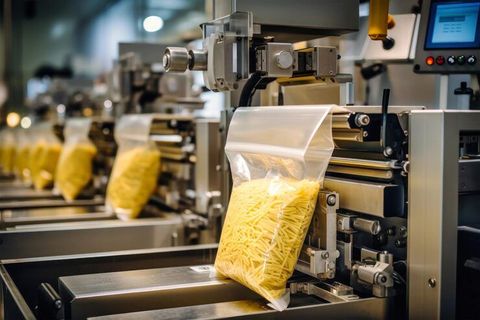
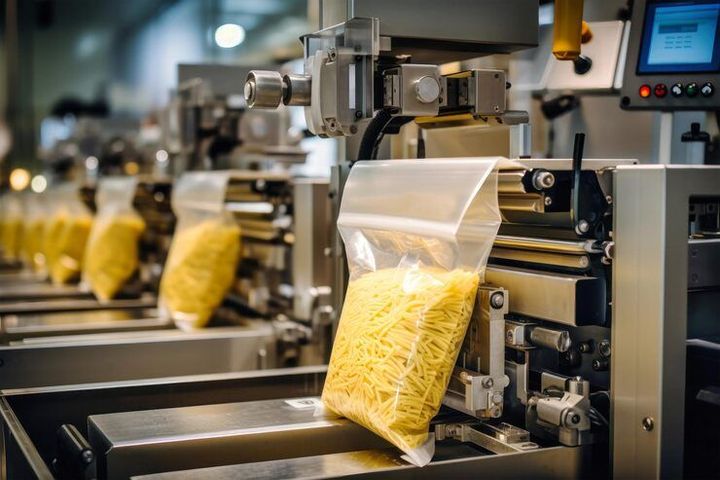
Food packaging machines are industrial systems designed to place food products into containers, pouches, trays, bottles, cartons, or other packaging formats and prepare those packages for storage, transport, and distribution. A food packaging machine may perform one task, such as filling or sealing, or several connected tasks within an automated packaging line.
Context
The development of packaging machinery is closely linked to the growth of processed foods, prepared meals, beverages, snacks, bakery products, frozen foods, sauces, grains, and other packaged products. Manual packaging can involve weighing, filling, closing, labeling, and inspection separately, while machinery can combine some of these operations into a coordinated sequence.
Modern packaging systems are built around several core functions. These include product feeding, measuring, filling, container forming, sealing, coding, labeling, inspection, and case packing. The exact configuration depends on the physical properties of the food, package format, production requirements, and material being used.
Main packaging machine functions
A packaging line can contain several machine types working together. Common functions include:
Filling systems that place a measured quantity of food into a container or pouch.
Forming systems that create a package from film, sheet, or preformed materials.
Sealing systems that close the package using heat, pressure, adhesives, or other methods.
Coding systems that apply information such as production codes, batch references, or dates.
Inspection systems that check package characteristics such as fill level, seal condition, weight, or foreign material.
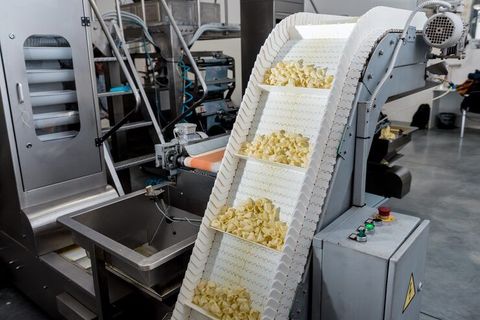
Conveying systems that move products and packages between processing stages.
A complete system does not necessarily require every function. Some applications use a standalone food packaging machine, while others integrate several machines into a continuous production line.
Importance
Food packaging plays an important role in protecting products from contamination, moisture, oxygen, physical damage, and environmental exposure. Packaging also provides information about the product, handling conditions, ingredients, storage instructions, and traceability.
For food manufacturers and processors, packaging machinery helps coordinate repetitive operations and maintain consistent package formats. For consumers, packaging provides a physical barrier and a convenient way to handle, store, and transport food.
The appropriate machinery depends heavily on the food itself. A liquid sauce behaves differently from dry powder, while fragile bakery products require different handling from grains or frozen foods.
Matching machines with food characteristics
Several characteristics influence machine selection and configuration:
Liquid products: Pumps and controlled filling mechanisms are commonly used for sauces, beverages, oils, and other fluid products.
Powders: Auger fillers or other metering systems may be used for products such as flour, spices, and powdered ingredients.
Granular foods: Volumetric or multi-head weighing systems can be used for products such as grains, snacks, seeds, and similar materials.
Viscous products: Piston or pump-based systems may be suitable for thicker products such as pastes, creams, and certain sauces.
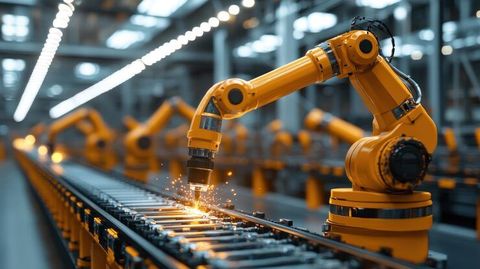
Solid products: Conveyor-based systems, counting mechanisms, or robotic handling may be used for individually formed products.
Fragile foods: Controlled product movement can help reduce breakage during filling and transfer.
Packaging formats
Food packaging machines can handle many package styles. The choice depends on product characteristics, storage requirements, transportation conditions, and packaging material.
| Packaging format | Common applications | Typical machine functions |
|---|---|---|
| Pouches | Snacks, powders, sauces | Forming, filling, sealing |
| Bottles | Beverages, sauces, oils | Filling, capping, labeling |
| Trays | Fresh foods, prepared meals | Filling, lidding, sealing |
| Cans | Processed foods and beverages | Filling, closing, coding |
| Cartons | Cereals, dry foods, frozen products | Filling, folding, closing |
| Jars | Sauces, spreads, preserved foods | Filling, capping, labeling |
| Sachets | Condiments, powders, single portions | Forming, filling, sealing |
Recent Updates
From 2024 through 2026, food packaging machinery has increasingly focused on automation, flexibility, digital monitoring, material changes, and packaging designs that support recycling and resource efficiency. Industry reports identify automation, digital tools, sustainable materials, regulatory alignment, and quality considerations as important areas influencing packaging equipment development.
Another notable development is the integration of artificial intelligence, robotics, sensors, and production data. These technologies can support tasks such as equipment monitoring, quality inspection, predictive maintenance, troubleshooting, and production analysis. Their usefulness depends on the application, available data, and integration with the existing production system.
Flexible packaging systems
Manufacturers are also dealing with a wider variety of package sizes, shapes, materials, and product variations. This has increased interest in machines capable of handling multiple formats and supporting relatively quick changeovers.
Flexible machinery can be particularly relevant when one production line handles several package sizes or products. Modular machine architecture can also make it easier to modify individual sections without redesigning the entire line.
Packaging materials and sustainability
Packaging material development is another significant trend. Recent industry research has examined paper-based packaging, recyclable structures, alternative materials, lightweight designs, and changes in multilayer packaging. Material selection must balance product protection, sealing performance, shelf-life requirements, manufacturing compatibility, and end-of-life considerations.
Packaging machinery therefore needs to accommodate changes in film thickness, stiffness, barrier properties, sealing temperatures, and material composition. A package material that appears similar to an existing film may still require different machine settings.
Smart and connected packaging
Some food packaging systems increasingly combine sensors, data collection, digital controls, and connected equipment. Packaging technologies can also incorporate QR codes, traceability information, freshness indicators, and other digital features.
These developments are expanding the role of packaging from simple physical containment toward product identification, monitoring, and information management.
Laws or Policies
Food packaging machinery operates within a broader framework of food safety, packaging materials, labeling, environmental protection, workplace safety, and equipment requirements. The specific rules vary by jurisdiction and by the type of food, packaging material, and machinery involved.
One important regulatory area concerns substances that come into contact with food. Authorities may require packaging materials, coatings, adhesives, and other food-contact components to meet requirements intended to control chemical migration and protect food safety. For example, the U.S. Food and Drug Administration regulates food-contact substances through established authorization pathways and evaluates relevant safety information.
Packaging regulations are also becoming more focused on material efficiency, recyclability, waste reduction, and substances of concern. In the European Union, Regulation (EU) 2025/40 establishes a broader framework for packaging and packaging waste. It entered into force in 2025 and began applying in 2026, with requirements addressing areas such as packaging design, labeling, reuse, recycling, and substances of concern.
These changes can influence machinery because new packaging materials may require different forming, filling, sealing, labeling, or inspection parameters. Regulations should therefore be checked according to the market where packaged food will be placed and the specific materials involved.
Tools and Resources
Several practical resources can help readers understand food packaging machinery and packaging operations.
Packaging machine specifications
Machine documentation normally contains information about package dimensions, filling ranges, production rates, compatible materials, electrical requirements, compressed-air requirements, and cleaning procedures. These specifications help explain how a particular machine is intended to operate.
Packaging material data sheets
Material suppliers commonly provide technical information about films, laminates, paper structures, plastics, trays, cartons, and other packaging materials. Important characteristics can include thickness, barrier properties, sealing temperature ranges, strength, and intended food-contact applications.
Packaging standards and regulatory databases
Regulatory databases and standards organizations can provide information about food-contact materials, packaging requirements, machine safety, labeling, and environmental rules. These resources are particularly useful because requirements differ between jurisdictions.
Production monitoring tools
Modern packaging lines may use programmable controls, sensors, digital dashboards, vision systems, checkweighers, and data-logging tools. These systems can record production information and identify variations in filling, sealing, or package handling.
Packaging testing equipment
Packaging operations may use seal-strength testers, leak-detection equipment, checkweighers, pressure-testing systems, and material-testing instruments. These tools help evaluate whether a package meets its defined physical and functional requirements.
FAQs
What is a food packaging machine?
A food packaging machine is equipment used to fill, form, close, seal, label, inspect, or otherwise prepare food packages. Some machines perform one operation, while integrated lines combine several stages.
What are the main types of food packaging machines?
Common types include filling machines, pouch packaging machines, tray sealing machines, form-fill-seal systems, bottle filling machines, cartoning machines, capping machines, labeling machines, vacuum packaging systems, and inspection equipment. The appropriate type depends on the product and package format.
How do filling systems work in food packaging machines?
Filling systems measure and transfer a controlled quantity of food into a package. Depending on the product, the system may use pumps, augers, volumetric mechanisms, weighing systems, piston fillers, or other metering technologies.
What sealing technologies are used in food packaging?
Common sealing methods include heat sealing, ultrasonic sealing, induction sealing, pressure sealing, and adhesive-based closure. The suitable method depends on the package structure, material, product requirements, and intended package format.
Which packaging materials are used with food packaging machines?
Food packaging machines can work with materials such as plastic films, paper, paperboard, glass, metal, rigid plastics, flexible laminates, and selected fiber-based structures. Compatibility depends on the machine design, package construction, sealing method, and food-contact requirements.