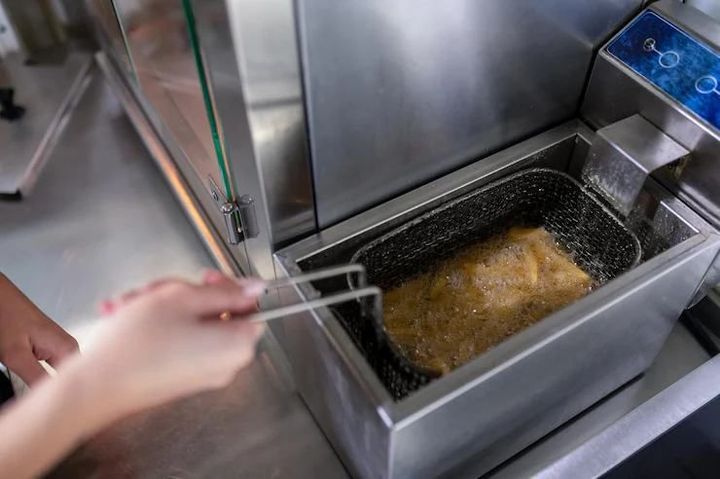
Explore How Modern Commercial Deep Fryers Are Transforming Restaurant Kitchen Operations
Modern commercial deep fryers have become important equipment in restaurant kitchens, cafeterias, hotels, takeaway kitchens, and other food preparation environments. These machines heat cooking oil to a controlled temperature, allowing food to cook through rapid heat transfer. Common applications include preparing potatoes, vegetables, meat, seafood, and various coated food products.
Context
Traditional frying methods relied on pots, open heat sources, and manual temperature control. As commercial kitchens expanded, dedicated frying equipment developed to handle larger quantities of food while providing more consistent temperature regulation and improved operational control.
Modern commercial deep fryers combine heating systems, thermostats, timers, temperature displays, and specialised baskets. Some models also incorporate automatic oil filtration, programmable cooking settings, digital monitoring, and safety controls. These features influence how kitchen staff manage preparation, cooking schedules, oil maintenance, and equipment cleaning.
The transformation is not limited to faster cooking. Modern fryer designs also address energy consumption, kitchen space, cooking consistency, and the practical challenges associated with handling hot oil. However, their performance depends on appropriate equipment selection, correct operation, regular maintenance, and suitable kitchen infrastructure.
Types of commercial deep fryers
Commercial deep fryers are available in several configurations to accommodate different kitchen layouts and production requirements.
Electric deep fryers: These use electrical heating elements to heat cooking oil. They are available in countertop and floor-standing designs, with different capacities and control systems.
Gas deep fryers: These use gas burners and heat-transfer components to warm the oil. Their installation requires suitable fuel connections, ventilation, and applicable safety arrangements.
Countertop fryers: These compact units are commonly used in smaller kitchens where floor space is limited or frying demand is moderate.
Floor-standing fryers: These generally provide larger oil capacities and may support kitchens preparing substantial quantities of fried food.
Pressure fryers: These cook food inside a sealed chamber under controlled pressure. Their operating principles and safety requirements differ from those of conventional open-vat fryers.
The appropriate configuration depends on the menu, expected cooking volume, available space, energy infrastructure, and operating procedures.
Importance
Restaurant kitchens must coordinate food preparation, cooking times, staff activities, and hygiene practices during both quiet periods and busy service periods. A commercial deep fryer influences several of these activities because frying temperature, basket loading, cooking duration, and oil condition affect the finished food.
Modern equipment can simplify some routine tasks through programmable controls and automated functions. These capabilities may reduce the amount of repeated manual adjustment required, although staff still need to monitor cooking conditions and follow established procedures.
Improving cooking consistency
Oil temperature is an important factor in frying. When cold food enters the fryer, the oil temperature drops temporarily. Equipment with suitable heating capacity and temperature-recovery performance can restore the selected temperature between batches.
Consistent temperature management helps kitchens produce food with more predictable colour, texture, and cooking results. However, food thickness, moisture, coating, portion size, and basket loading also influence the final outcome.
Managing kitchen workflow
Modern fryers can support kitchen coordination through timers, preset cooking programmes, multiple baskets, and separate oil tanks. These functions allow different foods to be prepared according to their individual cooking requirements.
For example, a kitchen may use separate fryer compartments for different menu items to reduce flavour transfer and manage different cooking temperatures. Staff must still consider allergen controls, cross-contact risks, and the suitability of shared cooking oil for particular foods.
Reducing energy waste
Heating oil requires energy, including during periods when the fryer is waiting between batches. Insulated tanks, improved heat-transfer designs, and controls that regulate heating during idle periods can help reduce unnecessary energy use.
Equipment capacity also matters. An oversized fryer may consume energy heating more oil than the kitchen regularly needs, while an undersized unit may struggle to maintain temperature during busy periods.
Comparing common fryer features
| Feature | Operational purpose | Main consideration |
|---|---|---|
| Digital temperature control | Displays and regulates oil temperature | Requires correct settings and monitoring |
| Programmable timers | Helps standardise cooking duration | Food condition may require adjustments |
| Automatic oil filtration | Removes certain food particles from oil | Filters and components need maintenance |
| Multiple frying baskets | Supports simultaneous batch preparation | Basket loading must remain within limits |
| Insulated oil tank | Reduces heat loss during operation | Actual efficiency varies by design |
| Safety shut-off | Interrupts heating under specified fault conditions | Does not replace safe operating procedures |
| Oil-quality monitoring | Helps assess changes in frying oil | Sensor results must be interpreted correctly |
Recent Updates
Developments in commercial frying equipment increasingly focus on automation, energy efficiency, oil management, and digital controls. These trends reflect the operational needs of restaurants that must coordinate cooking consistency with energy use, staff training, and equipment maintenance.
Recent industry developments through 2024–2026 have continued to emphasise integrated filtration, programmable settings, and equipment designs that reduce unnecessary heat loss. However, individual capabilities vary by model, and the presence of a digital interface does not automatically indicate improved performance.
Automated oil filtration
Oil filtration systems remove food particles that accumulate during frying. Depending on the design, filtration may take place through a built-in mechanism or a separate filtration unit.
Modern systems may simplify routine oil maintenance by reducing the amount of manual handling required. Nevertheless, filtration does not remove every substance formed during repeated heating, and it does not make deteriorated oil suitable for continued use.
Kitchen staff must assess oil condition according to established procedures, manufacturer instructions, and applicable food safety guidance. Filters, collection containers, and drainage components also require regular inspection and cleaning.
Digital controls and connected equipment
Digital interfaces allow operators to select temperatures, set timers, and monitor operating conditions. Some systems can store cooking programmes for frequently prepared menu items, helping staff follow consistent procedures across shifts.
Connected equipment may also record operating information or provide maintenance alerts. These capabilities can support equipment monitoring, but their usefulness depends on reliable sensors, correct configuration, and staff understanding.
Energy-efficient heating systems
Manufacturers continue to develop heating systems intended to transfer energy to cooking oil more effectively. Examples include improved burner designs, electric heating elements, insulated tanks, and more responsive temperature controls.
ENERGY STAR maintains specifications and product information for eligible commercial fryers, including performance criteria related to cooking efficiency and energy use during idle periods. Its published information demonstrates that energy performance can vary substantially between equipment designs.
Compact and modular fryer layouts
Countertop units, modular fryer banks, and configurations with separate oil compartments provide different ways to organise kitchen space. Smaller kitchens may prioritise compact dimensions, while high-volume operations may require multiple vats and larger production capacity.
Modular equipment can make kitchen layouts more adaptable, but installation must account for ventilation, electrical or gas connections, access for cleaning, and safe movement around hot equipment.
Laws or Policies
Commercial deep fryers are affected by food safety rules, workplace safety requirements, fire prevention measures, building regulations, and applicable equipment standards. Specific legal obligations vary between jurisdictions, so there is no single international rule covering every installation and operating situation.
Food hygiene requirements
Food businesses generally need procedures for maintaining hygienic preparation areas, preventing cross-contamination, controlling food handling, and keeping equipment clean. Fryer maintenance forms part of these broader food hygiene practices.
Cooking temperatures and durations should be appropriate for the food being prepared. A fryer timer alone cannot establish that every food product has reached a safe internal temperature, particularly when portions differ in thickness or starting temperature.
Fire prevention and ventilation
Hot cooking oil presents a significant fire hazard when equipment is misused or poorly maintained. Commercial kitchens may require suitable extraction hoods, grease-removal components, fire suppression systems, and adequate clearance around cooking equipment.
NFPA 96 is an established reference covering ventilation control and fire protection for commercial cooking operations. Its provisions address areas such as exhaust systems, grease removal, equipment safety, and inspection practices. Whether it is legally applicable depends on the relevant jurisdiction and adopted requirements.
Equipment installation and electrical safety
Commercial electric fryers may fall under equipment safety standards such as UL 197 in jurisdictions that recognise or require them. The standard covers specified commercial electric cooking appliances, including fryers, and addresses relevant safety considerations. Other jurisdictions use different certification systems or technical requirements.
Gas-powered equipment requires appropriate fuel connections, ventilation, and installation practices. Equipment should be installed, inspected, and maintained by appropriately qualified personnel where required.
Safe operating procedures
Important precautions include:
Keeping water away from hot oil to reduce the risk of violent splashing.
Avoiding overfilled baskets and oil tanks.
Using suitable protective equipment when handling hot components.
Following shutdown and cooling procedures before cleaning.
Keeping emergency shut-offs and fire protection equipment accessible.
Never applying water to a cooking-oil fire.
The manufacturer's operating instructions and applicable fire safety procedures should guide routine operation.
Tools and Resources
Several resources can help restaurant operators understand fryer performance, organise maintenance, and support consistent kitchen procedures.
Energy performance information
The ENERGY STAR commercial fryer resource provides information about eligible equipment, energy performance criteria, and efficiency considerations. It can help readers understand how cooking efficiency and idle energy consumption are assessed.
Maintenance checklists
A written maintenance checklist can help staff record routine inspections and identify equipment issues. Relevant items may include heating performance, thermostat operation, basket condition, oil filtration components, electrical connections, and visible damage.
Maintenance records should include the inspection date, observations, corrective work, and the person responsible. Tasks involving electrical systems, gas connections, or internal repairs should be handled by qualified personnel where required.
Oil management logs
An oil management log can record oil changes, filtration activities, unusual odours, visible deterioration, and the results of any approved oil-quality testing. This information can help staff apply consistent procedures across different shifts.
Oil should not be assessed solely by colour or appearance. Repeated heating can change its chemical properties even when visible deterioration is limited.
Safety and ventilation guidance
The National Fire Protection Association provides information about commercial cooking ventilation and fire protection through its NFPA 96 resources. Applicable local fire authorities and building regulators can provide information about installation, inspection, and operating requirements.
Cooking capacity calculations
A simple kitchen planning worksheet can record expected portions per hour, average batch size, cooking duration, temperature-recovery time, and the number of available fryer vats.
These figures help estimate whether the equipment can support expected demand. Actual output also depends on food preparation, staff coordination, portion consistency, and operating conditions.
FAQs
How are modern commercial deep fryers changing restaurant kitchens?
Modern commercial deep fryers incorporate digital temperature controls, programmable timers, oil filtration, and other automated functions. These features can support consistent cooking, more organised workflows, and improved monitoring of equipment operation.
What is the difference between electric and gas commercial deep fryers?
Electric fryers use electrical heating elements, while gas fryers use burners to heat the oil. Their installation requirements, energy consumption, heat-transfer characteristics, and ventilation needs vary by design and operating environment.
How does automatic oil filtration work in a commercial deep fryer?
An automatic filtration system moves oil through a filter that captures certain food particles before returning the oil to the tank or directing it into a designated container. The exact process varies by equipment design, and filtration does not eliminate the need to monitor oil condition.
Are energy-efficient commercial deep fryers suitable for small restaurants?
Some compact commercial fryers incorporate insulated tanks, responsive heating controls, or other efficiency features. Suitability depends on the kitchen's menu, expected production volume, available utilities, ventilation arrangements, and installation requirements.
What safety precautions are important when using a commercial deep fryer?
Important precautions include controlling oil levels, avoiding water contact with hot oil, using suitable protective equipment, maintaining ventilation, and following shutdown and cleaning instructions. Staff should also understand the kitchen's emergency procedures for cooking-oil fires.