Drilling Machine Guide: Types, Drilling Technologies, Components and Applications
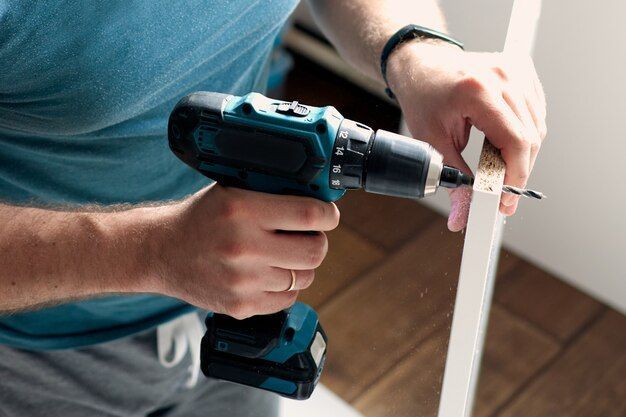
A drilling machine is a machine tool used to create round holes in materials such as metal, wood, plastic, composites, and other workpieces. The basic process involves rotating a cutting tool called a drill bit while applying controlled force so that material is removed and a hole is formed.
Context
Drilling is one of the most widely used machining processes because holes are required for fasteners, shafts, pipes, electrical components, mechanical assemblies, and many other products. Although a basic drill may appear simple, industrial drilling machines can include multiple spindles, automatic tool changes, computer numerical control (CNC), coolant systems, sensors, and automated workpiece handling.
The development of drilling machines progressed from manually operated equipment toward powered, automated, and digitally controlled systems. Modern machines can combine drilling with operations such as tapping, boring, countersinking, reaming, and milling.
How a drilling machine works
The central principle is relatively straightforward. A drill bit rotates around its axis while cutting edges remove material from the workpiece. The machine controls the spindle speed, feed movement, and position of the drill.
The main stages generally include:
- Workpiece positioning: The material is placed and secured on the machine table, fixture, or dedicated workholding system.
- Tool selection: A drill of suitable diameter, geometry, and material is selected.
- Spindle rotation: The machine rotates the drill at a specified speed.
- Feed movement: The drill advances into the workpiece at a controlled rate.
- Chip removal: Cutting edges generate chips that must leave the hole without interfering with the drilling process.
- Hole inspection: The finished hole can be checked for diameter, depth, position, and surface condition.
Importance
Drilling machines are important across manufacturing, construction, fabrication, maintenance, automotive production, aerospace manufacturing, electronics, furniture production, and many other fields. The process can range from making a single hole in a workshop to producing thousands of precisely positioned holes in automated manufacturing.
Hole quality affects how components fit together. Incorrect diameter, excessive runout, poor alignment, unsuitable depth, or damaged surfaces can affect an assembly even when the difference appears small.
Modern production also requires greater repeatability. CNC drilling and automated machining systems can use programmed coordinates and controlled cutting parameters to produce repeated hole patterns with limited manual intervention.
Common drilling machine types
Different machines are designed around different workpiece sizes, hole requirements, production volumes, and levels of automation.
| Drilling machine type | Typical characteristic | Common application |
|---|---|---|
| Bench drill press | Compact vertical arrangement | Workshops and light fabrication |
| Pillar drilling machine | Rigid column and adjustable table | General metalworking |
| Radial drilling machine | Movable spindle around a radial arm | Large workpieces |
| CNC drilling machine | Computer-controlled movement | Repeated precision drilling |
| Multi-spindle drilling machine | Multiple drills operate together | Batch production |
| Deep-hole drilling machine | Designed for long, narrow holes | Shafts and specialized components |
| Magnetic drilling machine | Magnetic base holds the machine to ferrous surfaces | On-site metal drilling |
The choice of machine depends on the material, hole dimensions, workpiece geometry, production quantity, required accuracy, and available workspace.
Recent Updates
From 2024 through 2026, developments in drilling and machining have increasingly focused on automation, digital monitoring, tool-condition analysis, and integration between CNC equipment and production software. Machine-tool manufacturers and technology companies have been expanding systems that collect machining data and use it for monitoring, process analysis, and maintenance planning.
One notable direction is tool-condition monitoring. Digital systems can analyze information from the machine and cutting process to identify tool wear, tool breakage, or unusual machining conditions. This allows production teams to use process data rather than relying entirely on fixed tool-change intervals.
CNC and connected machining
CNC drilling continues to become more closely integrated with CAD/CAM software, production monitoring, measurement equipment, and factory networks. Digital-twin technologies can also represent aspects of a physical machine or machining process in software, supporting simulation, analysis, and process planning.
Another trend is the use of machine data for condition monitoring. CNC systems can record information such as spindle load, axis behavior, alarms, tool events, and production status. Analyzing these signals can help identify changes in machine behavior and support maintenance planning.
Developments in drilling tools
Drilling technology is also changing through improvements in cutting-tool geometry, coatings, coolant delivery, exchangeable cutting tips, and materials. Tool manufacturers continue to develop drilling systems intended for difficult materials, improved chip evacuation, and more predictable tool behavior.
These developments do not eliminate the need for correct cutting parameters. Drill geometry, spindle speed, feed rate, material hardness, hole depth, coolant conditions, and machine rigidity still influence the drilling result.
Laws or Policies
Drilling machines are subject to machinery-safety requirements, workplace rules, electrical requirements, and other regulations depending on where the equipment is designed, installed, or operated. There is no single worldwide law covering every drilling machine, so the applicable requirements depend on the jurisdiction and machine category.
International standards provide a common technical reference for machine safety. ISO 16090-1:2022, for example, specifies safety requirements and protective measures for certain machining centres, milling machines, transfer machines, and related equipment. The standard addresses hazards associated with installation, operation, cleaning, maintenance, troubleshooting, and other stages of machine use.
Safety requirements commonly address hazards such as rotating tools, moving machine parts, flying chips, unexpected machine movement, electrical systems, and workpiece movement. Protective measures can include fixed or movable guards, emergency stopping arrangements, appropriate workholding, and controlled access to hazardous areas.
Basic machine safety considerations
General safety practices around drilling equipment include:
- Secure the workpiece before machining.
- Use appropriate guards where required.
- Keep loose clothing, jewelry, and unsecured materials away from rotating parts.
- Use appropriate eye and face protection for operations that can generate chips or fragments.
- Stop the machine before removing chips from the cutting area.
- Follow the manufacturer's operating and maintenance instructions.
- Isolate hazardous energy before maintenance when the applicable safety procedure requires it.
Safety requirements should always be interpreted according to the machine design, workplace environment, and applicable local regulations.
Tools and Resources
Several technical resources can help readers understand drilling machines and plan machining operations. Manufacturer manuals provide information about spindle limits, compatible tooling, workholding, lubrication, maintenance intervals, and machine-specific operating procedures.
Cutting-speed and feed calculators
Machining calculators can help estimate spindle speed and feed rate from factors such as drill diameter, cutting speed, number of cutting edges, and feed per revolution. These calculations provide starting values rather than universal settings because the appropriate parameters depend on the machine, tool, material, and drilling conditions.
A basic spindle-speed relationship can be expressed as:
Spindle speed = Cutting speed × 1000 ÷ (π × drill diameter)
When metric units are used, cutting speed is normally expressed in metres per minute and drill diameter in millimetres.
Technical data sheets
Tool manufacturers publish drill geometry information, recommended cutting parameters, material compatibility, coolant guidance, and hole-depth limitations. These documents are useful for understanding how different drill designs behave with different workpiece materials.
CAD and CAM software
CAD software can define hole locations and dimensions, while CAM software can convert machining information into toolpaths or CNC programs. More advanced manufacturing environments can connect these systems with machine data and production monitoring platforms.
Components of a Drilling Machine
A drilling machine contains several mechanical and electrical components that work together to control the drilling operation.
Spindle and chuck
The spindle provides rotational movement to the drill. Depending on the machine, the drill may be held in a chuck, collet, tool holder, or specialized tooling system.
Motor and drive system
The motor supplies rotational power. Variable-speed drives or CNC-controlled spindle systems can regulate rotational speed according to the machining requirement.
Column and machine frame
The column and frame provide structural support. Rigidity is important because vibration or movement during drilling can affect hole quality and tool life.
Table and workholding
The table supports the workpiece or fixture. Clamps, vises, fixtures, and automated workholding systems can hold the material in a stable position during drilling.
Feed mechanism
The feed mechanism controls how the drill moves into the material. Manual machines may use a hand lever or handwheel, while CNC equipment uses controlled axis movement.
Coolant and chip-management system
Some drilling operations use cutting fluid or coolant to control heat and assist chip evacuation. Industrial machines may also incorporate chip conveyors, filtration equipment, or internal coolant delivery.
Drilling Technologies and Applications
Different drilling technologies address different hole sizes, depths, materials, and production requirements.
Conventional drilling
Conventional drilling uses a standard rotating drill to produce a hole. It is widely used for general-purpose machining and can be performed on manual, semi-automatic, or CNC equipment.
CNC drilling
CNC drilling uses programmed machine movements to position the drill accurately. It is particularly useful where a workpiece contains multiple holes with defined coordinates or repeated patterns.
Deep-hole drilling
Deep-hole drilling is designed for holes where the depth is large relative to the diameter. Specialized drill geometries and coolant arrangements can help remove chips from deep holes.
Peck drilling
Peck drilling divides the cutting movement into repeated drilling and withdrawal cycles. This approach can help with chip evacuation, particularly in deeper holes or materials that generate difficult chips.
Multi-spindle drilling
Multi-spindle machines use several spindles to drill multiple holes during the same operating cycle. This approach is commonly associated with repeated production where hole patterns remain consistent.
Applications
Drilling machines are used for many applications, including:
- Creating mounting holes in metal components
- Preparing holes for bolts and fasteners
- Producing holes in shafts and plates
- Preparing holes for tapping
- Manufacturing automotive and industrial components
- Fabricating structural and mechanical assemblies
- Producing furniture components
- Creating holes in composite and plastic parts
- Manufacturing equipment housings and frames
The application determines the required drilling technology, tooling, machine configuration, and operating parameters.
FAQs
What are the main types of drilling machines?
Common types include bench drill presses, pillar drilling machines, radial drilling machines, CNC drilling machines, multi-spindle machines, deep-hole drilling machines, and magnetic drilling machines. Each type is designed around different workpiece sizes, hole requirements, and operating conditions.
What components are used in a drilling machine?
Major components include the spindle, drill holder or chuck, motor, drive system, column, machine frame, table, feed mechanism, workholding equipment, and control system. Industrial machines may also include coolant delivery, chip-management, automatic tool-changing, and monitoring systems.
How does CNC drilling differ from conventional drilling?
CNC drilling uses programmed machine movements to control tool position and drilling cycles. Conventional drilling generally requires more direct operator control. CNC systems are particularly useful for repeated hole patterns and programmed machining sequences.
What drilling technologies are used for deep holes?
Deep-hole drilling can use specialized drills, controlled feed movements, dedicated coolant delivery, and chip-evacuation methods. Peck drilling can also be used in some applications to help remove chips during deeper drilling operations.
What factors affect drilling accuracy?
Drilling accuracy can be affected by machine rigidity, drill condition, workpiece stability, spindle runout, tool geometry, cutting parameters, material properties, vibration, and hole-location programming. Proper setup and controlled machining conditions are important for maintaining dimensional consistency.
Conclusion
Drilling machines range from manually operated drill presses to CNC systems with automated tooling, monitoring, and production-data capabilities. Their main components work together to control tool rotation, feed movement, workpiece positioning, and chip removal. Recent developments have placed greater emphasis on digital monitoring, tool-condition analysis, automation, and connected machining. Machine safety standards and correct operating procedures remain important parts of drilling-machine use.