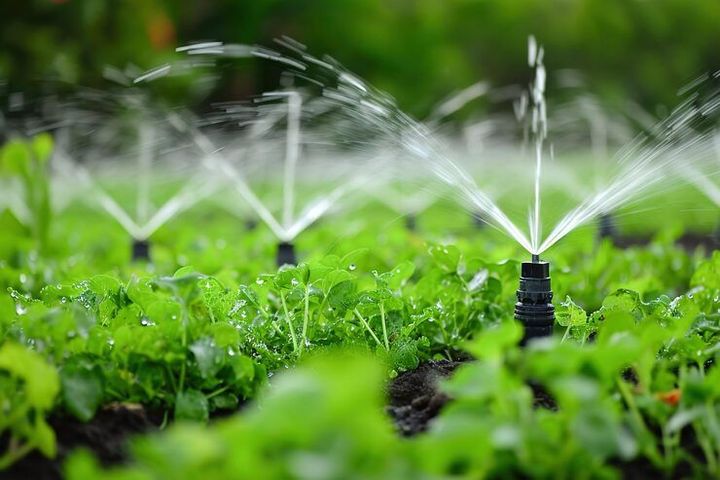
Sprinkler Irrigation Guide to System Types, Components, Installation and Efficient Water Use
A sprinkler system is a network of pipes, valves, and spray heads designed to distribute water across a lawn, garden, or landscaped area without manual watering. These systems are used in homes, parks, sports fields, and commercial properties to keep vegetation healthy while reducing the daily effort involved in watering by hand.
Context
Sprinkler systems trace their origins to agricultural irrigation methods developed in the late nineteenth and early twentieth centuries, when farmers sought more efficient ways to water large fields. Over time, the technology was adapted for residential and commercial landscaping, becoming a common feature in suburban homes, public parks, and golf courses.
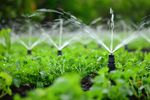
A modern sprinkler system typically connects to a water source through a network of underground pipes. Water is distributed to different zones through valves, and sprinkler heads release the water in patterns designed to cover lawns, garden beds, or other planted areas.
Many systems include a controller, which is a timer-based device that determines when and how long each zone receives water.
There are several general categories of sprinkler systems:
- Fixed spray systems release water in a set pattern and are often used for smaller or uniformly shaped areas.
- Rotor systems use a rotating mechanism to distribute water across larger areas in a slow, sweeping motion.
- Drip irrigation systems deliver water directly to the base of plants through tubing, reducing water contact with leaves and surrounding soil.
- Impact sprinklers use a mechanical arm to create a pulsing spray pattern, commonly seen in agricultural or large-lawn settings.
Each type serves a different purpose depending on the size, shape, and vegetation needs of the area being watered.
Key Components
A typical sprinkler system includes several core parts. The water source connection links the system to a home's water supply or a dedicated irrigation line.
Backflow preventers stop irrigation water from flowing back into the drinking water supply, which is an important safety feature in many systems. Valves control the flow of water to specific zones, allowing different sections of a yard to be watered independently.
Sprinkler heads are the visible components that release water, and they vary in design depending on the type of system. Controllers, sometimes called timers, allow users to schedule watering cycles based on the needs of their landscape.
Importance
Sprinkler systems matter because water use in residential and commercial landscaping represents a significant portion of overall water consumption in many regions. Efficient irrigation practices can reduce water waste while still supporting healthy plant growth.
For homeowners, an appropriately designed sprinkler system can save time compared to manual watering and can help distribute water more evenly across a lawn or garden. Uneven watering is a common issue with hand watering, often leading to patches of overwatered or underwatered vegetation.
Businesses and public spaces, such as parks and sports facilities, rely on sprinkler systems to maintain consistent turf conditions over large areas that would be impractical to water manually. Schools, golf courses, and municipal green spaces are examples of settings where automated irrigation supports daily maintenance needs.
Environmental considerations also play a role. Poorly designed or malfunctioning systems can lead to water runoff, overwatering, or inefficient use of a limited resource.
This is particularly relevant in regions experiencing drought conditions or water use restrictions, where efficient irrigation design becomes a practical concern for both individual households and larger communities.
Recent Updates
In recent years, there has been a general trend toward smarter and more water-efficient irrigation technology. Many newer sprinkler controllers now incorporate weather-based adjustments, allowing systems to modify watering schedules based on local rainfall or temperature data rather than relying solely on fixed timers.
Soil moisture sensors have also become more common in irrigation setups. These sensors help determine whether soil already contains sufficient moisture, which can reduce unnecessary watering cycles.
This trend reflects a broader interest in resource-conscious landscaping practices among both homeowners and municipalities.
Drip irrigation has also seen increased adoption outside of purely agricultural settings, as more residential and commercial properties incorporate garden beds and drought-tolerant landscaping that benefit from targeted watering rather than broad spray coverage.
Additionally, there has been growing interest in combining irrigation systems with broader landscape design software, allowing property owners and planners to visualize watering zones and coverage patterns before installation.
This reflects a general move toward more planned and data-informed approaches to landscape watering, rather than uniform, one-size-fits-all setups.
Laws or Policies
In the United States, sprinkler system installation and use are shaped by a mix of local, state, and sometimes national guidelines, though specific rules vary widely by location.
Many municipalities have adopted water conservation ordinances that regulate outdoor watering, particularly during dry seasons or drought conditions. These may include restrictions on the days or times when irrigation systems can operate.
Backflow prevention requirements are common in many jurisdictions. Because sprinkler systems connect to a home's water supply, local plumbing codes often require the installation of backflow prevention devices to protect drinking water from potential contamination.
Some regions also have permitting requirements for installing new irrigation systems, particularly for larger properties or commercial installations. These permits typically ensure that installations meet local plumbing and water use codes.
The following table summarizes general categories of regulation that commonly apply to sprinkler systems in the U.S., though readers should confirm specifics with their local authorities:
| Regulatory Area | General Purpose | Typical Authority |
|---|---|---|
| Water use restrictions | Limit outdoor watering during drought or peak demand | Municipal or state water agencies |
| Backflow prevention | Protect drinking water from contamination | Local plumbing codes |
| Installation permits | Ensure compliance with plumbing and safety codes | City or county building departments |
| Water efficiency standards | Encourage reduced water consumption in new systems | State or regional water authorities |
Because rules differ significantly between states, counties, and even individual cities, property owners are generally encouraged to check with local water authorities or building departments before installing or modifying a sprinkler system.
Tools and Resources
A number of tools and resources can help property owners better understand and plan for sprinkler system use.
Water usage calculators, often provided by local water utilities, can help estimate how much water a given irrigation schedule may consume.
Soil moisture testing kits allow users to check ground moisture levels manually, which can inform decisions about watering frequency. Weather-tracking applications are also commonly used alongside irrigation controllers to help align watering schedules with actual rainfall patterns.
Landscape design software and mobile applications exist that allow users to map out their yard and plan sprinkler zone coverage before installation.
Some water utility websites also provide general educational materials on irrigation efficiency and local water conservation guidelines.
Local extension offices, which are often affiliated with state universities, frequently publish guides on irrigation practices tailored to regional climate and soil conditions.
FAQs
What are the main types of sprinkler systems?
The main types include fixed spray systems, rotor systems, drip irrigation, and impact sprinklers. Each type distributes water differently and is suited to different landscape sizes and plant needs.
How does a sprinkler system installation typically work?
A sprinkler installation generally involves mapping the watering zones, laying underground pipes, connecting valves and a controller, and placing sprinkler heads according to the coverage needed for each zone.
The process often requires knowledge of local water pressure and soil conditions.
What maintenance does a sprinkler system need?
Routine sprinkler maintenance typically includes checking for leaks, clearing clogged heads, adjusting spray patterns, and inspecting valves and controllers for proper function.
Seasonal maintenance, such as winterizing in colder climates, is also common.
Are there rules about when I can run my sprinkler system?
Many municipalities have watering schedules or restrictions, particularly during drought conditions. These rules vary by location, so checking with a local water authority is recommended.
Do sprinkler systems require a permit?
In some areas, installing a new irrigation system may require a permit, particularly for larger properties or systems connected directly to a municipal water supply. Requirements differ by city and county.
Conclusion
Sprinkler systems play a significant role in maintaining lawns, gardens, and larger landscaped areas by automating a task that would otherwise require considerable manual effort.Understanding the different types of systems, their core components, and general maintenance needs can help property owners make more informed choices.Local laws and water use policies also shape how these systems are installed and operated, making it useful to stay informed about regional requirements. As irrigation technology continues to evolve, trends such as weather-based scheduling and soil moisture sensing are shaping more resource-conscious approaches to landscape watering.