Juicer Machine Explained: Commercial and Household Types, Features, Uses and Maintenance
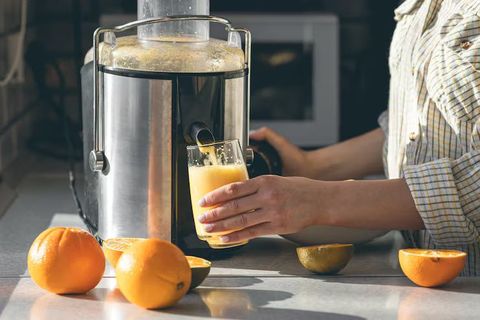
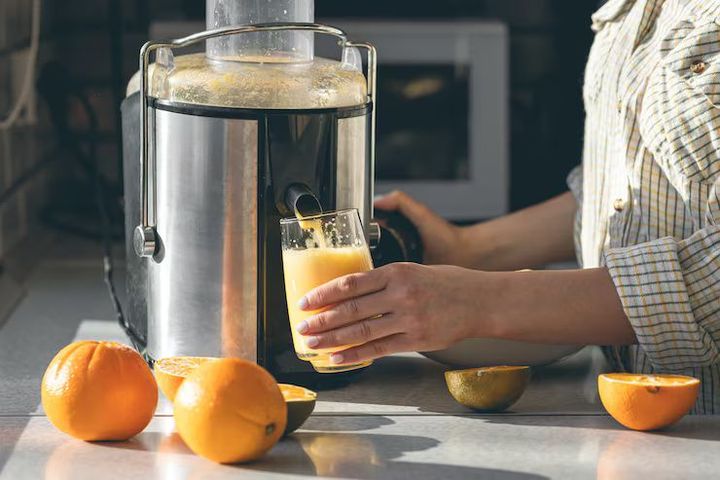
A juicer machine is a food-preparation appliance designed to separate liquid from fruits, vegetables, and other suitable produce. Depending on its design, it may extract juice by rapidly shredding produce and separating the liquid through a straining system, or by crushing and pressing produce more slowly.
Context
A juicer machine is a food-preparation appliance designed to separate liquid from fruits, vegetables, and other suitable produce. Depending on its design, it may extract juice by rapidly shredding produce and separating the liquid through a straining system, or by crushing and pressing produce more slowly.
Juicers are used in households, cafés, juice bars, restaurants, hotels, food-processing environments, and other settings where fresh juice preparation forms part of routine food preparation. Household models are generally designed around smaller quantities and intermittent use, while commercial juicer machines are built around higher workloads and repeated operation.
The basic concept has existed for many years, but modern machines have introduced different extraction methods, electronic controls, safety features, removable components, and easier cleaning arrangements. These differences make it useful to understand the machine type before considering its features or intended application.
How a juicer machine works
Most juicers have several basic components, although their arrangement varies. These can include a feeding opening, cutting or crushing mechanism, strainer or filter, juice outlet, pulp collection area, motor, and protective housing.
Centrifugal machines generally use a rapidly rotating cutting and filtering assembly. The produce is broken into smaller pieces, while centrifugal force moves liquid through the filter.
Masticating or slow-extraction machines generally crush and press produce through a narrower extraction path. Some commercial machines use specialized mechanisms for particular fruits or vegetables rather than following a general-purpose design.
Importance
A juicer machine can simplify the preparation of liquid beverages from fresh produce. For households, the main considerations may include preparation quantity, available space, cleaning requirements, and ease of operation. Commercial environments usually have additional considerations such as operating frequency, workflow, food-contact surfaces, noise, and cleaning procedures.
The distinction between household and commercial equipment is therefore important. A machine designed for occasional domestic use may not be intended for continuous operation in a busy food-preparation environment.
Household and commercial juicers
Household juicers are generally compact and intended for relatively small batches. They commonly have straightforward controls and removable parts that can be separated for cleaning.
Commercial juicer machines vary considerably according to their intended application. Some are designed for citrus fruits, while others handle a wider range of produce. High-volume environments may also use machines with larger feeding systems, stronger drive mechanisms, or configurations designed around repeated production cycles.
| Feature | Household juicer | Commercial juicer |
|---|---|---|
| Typical workload | Small to moderate batches | Repeated or higher-volume preparation |
| Physical size | Usually compact | Often larger |
| Controls | Generally simple | May include additional controls |
| Feeding system | Smaller opening | May have larger or specialized openings |
| Cleaning | Removable household components | Designed around frequent cleaning |
| Operating environment | Home kitchen | Commercial food-preparation area |
| Construction considerations | Domestic use | More intensive operating conditions |
Common juicer machine types
The extraction mechanism has a direct effect on how a machine handles produce.
Centrifugal juicers use rapid rotation and are commonly associated with quick preparation. Masticating juicers use crushing and pressing action and may operate at lower rotational speeds. Citrus juicers are designed specifically around oranges, lemons, limes, and similar fruits, while commercial fruit juicers may use specialized mechanisms for repeated citrus or whole-fruit processing.
Some machines are also designed around particular ingredients. Leafy vegetables, soft fruits, hard vegetables, and citrus fruits can behave differently during extraction, so the manufacturer's stated operating range is relevant.
Recent Updates
From 2024 through 2026, developments around juicer machines have generally focused on easier cleaning, food-contact materials, automation, energy use, safety, and integration with modern commercial kitchen workflows.
One noticeable trend is greater attention to machine design that allows food-contact components to be removed, inspected, and cleaned more easily. This is relevant because residue from fruit and vegetables can remain around filters, seals, pulp chambers, and narrow passages if equipment is not cleaned adequately.
Food-contact equipment is also receiving continued attention from regulators and food-safety organizations. The European Commission identifies food-processing machinery and kitchen equipment as food-contact materials and explains that these materials must meet applicable food-safety requirements.
Hygiene and cleanability
Modern food-preparation equipment increasingly emphasizes accessible food-contact surfaces and appropriate cleaning procedures. The FDA Food Code includes provisions concerning food-contact surfaces and equipment construction, including requirements related to cleanability.
Commercial juice preparation also requires attention to sanitation practices. FDA guidance for juice-processing environments states that food-contact equipment should be cleaned as frequently as necessary to protect against contamination and that equipment should be designed and maintained so it can be adequately cleaned.
Controls and connected features
Some newer machines incorporate electronic displays, programmable controls, automatic shutoff functions, overload protection, or digital monitoring. In commercial environments, these features can help operators understand machine status and maintain consistent operating procedures.
However, additional electronic functions do not automatically indicate improved extraction performance. The suitability of a feature depends on the machine's intended application, produce type, workload, and operating environment.
Materials and construction
Food-contact components may be manufactured from materials such as stainless steel, food-contact plastics, rubber, or other materials appropriate for the intended application. Regulatory frameworks increasingly emphasize the safety and suitability of materials that come into direct or indirect contact with food.
The European Food Safety Authority notes that food-contact materials include equipment used in food processing and that substances can migrate from these materials into food, which is why their safety is evaluated.
Laws or Policies
Juicer machines can be affected by several types of rules, depending on where they are manufactured, marketed, installed, or operated. These can include electrical-safety requirements, food-contact material rules, machinery requirements, sanitation provisions, labeling requirements, and commercial food-establishment regulations.
Because requirements vary between jurisdictions, there is no single worldwide legal framework for every juicer machine. Businesses operating food-preparation facilities generally need to follow the rules applicable to their location and type of operation.
Food-contact requirements
Food-contact components are particularly important because juice comes into direct contact with internal machine surfaces. In the European Union, Regulation (EC) No 1935/2004 establishes general requirements for materials and articles intended to come into contact with food. The European Commission states that these materials should not release substances at levels that could harm health or unacceptably change food composition, taste, or odor.
Food establishment requirements
Commercial operators may also be subject to local food-hygiene rules concerning cleaning, sanitation, employee practices, equipment storage, and food handling. In the United States, the FDA Food Code is a model framework adopted by jurisdictions rather than a nationwide federal requirement for every food establishment. Its provisions include equipment and food-contact surface requirements.
Machinery rules can also change over time. For example, the European Union Machinery Regulation (EU) 2023/1230 is scheduled to apply from January 2027, replacing the earlier machinery directive framework for covered products. Its application should therefore be considered separately from food-contact requirements.
Tools and Resources
Several practical resources can help users understand juicer machines and manage their operation.
User manuals and cleaning instructions
The machine manual is an important reference because cleaning methods, removable components, operating limits, and maintenance intervals differ between models. It can also identify which components are intended to be removed and how they should be reassembled.
Juice preparation records
Commercial operators can maintain a simple preparation log containing:
- Date and operating period
- Produce processed
- Approximate batch quantity
- Cleaning activity
- Inspection notes
- Unusual machine behavior
- Component replacement or maintenance records
Such records can help identify recurring operational issues.
Cleaning checklists
A cleaning checklist can cover the feeding area, filter or strainer, pulp collection section, juice outlet, seals, removable containers, and external surfaces. The exact procedure should follow the equipment instructions and applicable food-safety requirements.
Energy and operating information
Technical specifications can provide information about motor power, electrical requirements, operating capacity, dimensions, and other characteristics. These figures should be considered alongside the intended workload rather than viewed individually.
Food-safety resources
Official food-safety authorities and regulatory databases can provide information about food-contact materials, sanitation practices, and equipment requirements. The European Commission's food-contact materials resources and the FDA Food Code are examples of regulatory references used in their respective frameworks.
FAQs
What is a juicer machine used for?
A juicer machine is used to extract liquid from fruits, vegetables, and other suitable produce. Different machines use different extraction methods, including centrifugal cutting, crushing, pressing, or specialized citrus extraction.
What is the difference between a commercial juicer machine and a household juicer?
A commercial juicer machine is generally designed around more frequent operation and commercial food-preparation conditions. Household models are usually intended for smaller quantities and intermittent use. Construction, capacity, controls, and cleaning arrangements can differ between the two categories.
How should a juicer machine be cleaned?
Food-contact components should be cleaned according to the manufacturer's instructions and applicable food-safety procedures. Particular attention is generally needed around filters, pulp chambers, seals, feeding openings, and juice outlets where residue can accumulate.
Are slow juicers different from centrifugal juicers?
Yes. Centrifugal juicers generally use rapid rotation to shred produce and separate liquid through a filter. Slow or masticating juicers generally crush and press produce through an extraction mechanism operating at a lower rotational speed.
What features matter in a commercial juicer machine?
Relevant features can include extraction mechanism, intended produce types, feeding arrangement, operating capacity, motor design, safety controls, food-contact materials, cleanability, removable components, and maintenance requirements. The importance of each feature depends on the operating environment and workload.
Conclusion
A juicer machine separates liquid from suitable fruits and vegetables using mechanisms such as centrifugal extraction, crushing, pressing, or specialized citrus processing. Household and commercial machines differ mainly in their intended workload, construction, operating environment, and cleaning requirements. Recent developments have placed continued attention on food-contact materials, cleanability, safety, electronic controls, and commercial hygiene practices. Understanding the machine type, operating method, materials, maintenance requirements, and applicable regulations provides a clearer foundation for evaluating juicing equipment.