Industrial Generators Guide to Types, Fuel Options, Power Capacity, Applications and Maintenance
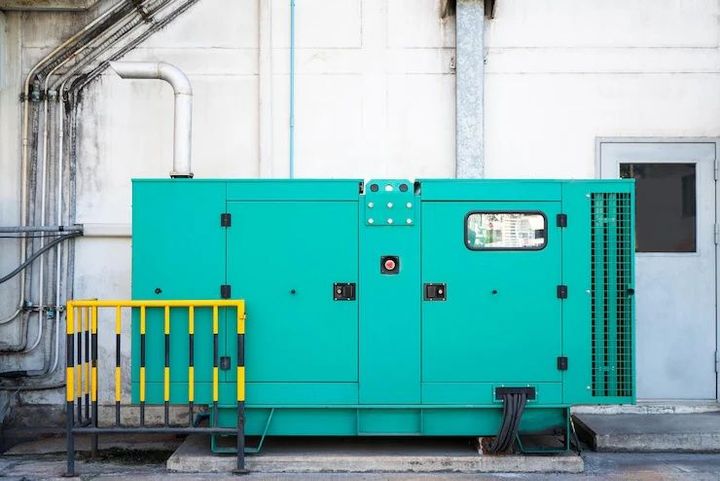
Industrial generators are machines that convert mechanical energy into electrical energy. They are commonly used when electricity from the main grid is unavailable, interrupted, or insufficient for a particular operation. A typical generator set, often called a genset, combines an engine, an alternator, a fuel system, a cooling system, controls, and protective equipment.
The basic principle is relatively simple. A fuel-powered engine produces mechanical rotation, while the alternator converts that rotation into electrical energy. The resulting electricity can then supply equipment, buildings, production systems, communication infrastructure, or other electrical loads.
Industrial generators developed from the wider use of engine-driven electrical generation during the growth of factories, transportation networks, construction activities, and large buildings. Their role expanded as industries became increasingly dependent on continuous electrical power.
Today, industrial generators are available in many configurations. Their differences include engine type, fuel, electrical output, operating mode, enclosure, control system, and intended application.
Main generator components
A generator set contains several connected systems that work together:
- Engine: Provides the mechanical energy required to rotate the alternator.
- Alternator: Converts mechanical rotation into electrical energy.
- Fuel system: Stores and delivers fuel to the engine.
- Cooling system: Controls engine temperature during operation.
- Exhaust system: Directs combustion gases away from the engine.
- Control panel: Displays operating information and allows monitoring of the generator.
- Battery system: Provides energy for engine starting and related controls.
- Protective equipment: Helps detect conditions such as excessive temperature, low oil pressure, overload, or abnormal electrical conditions.
The complete arrangement is designed around the electrical load, operating environment, required runtime, and applicable technical requirements.
Importance
Reliable electricity is important for factories, warehouses, construction sites, telecommunications infrastructure, healthcare facilities, commercial buildings, agricultural operations, and other facilities. An interruption can affect machinery, lighting, ventilation, refrigeration, computing equipment, communications, and production processes.
Industrial generators provide an independent electrical source when the main supply is interrupted or when temporary power is required. Some installations operate only during outages, while others may operate for extended periods where grid electricity is unavailable or where additional generating capacity is needed.
Generator selection also matters because electrical loads vary considerably. Motors, compressors, pumps, heating equipment, data systems, and electronic controls can have different starting and operating requirements.
Understanding power capacity
Generator capacity is commonly expressed in kilowatts (kW) or kilovolt-amperes (kVA). Kilowatts describe real electrical power, while kVA represents apparent power. The relationship between the two is affected by power factor.
A generator that appears adequate based only on the total running wattage may not handle equipment that requires a high starting current. Motors and compressors can draw considerably more electrical power during startup than during normal operation.
| Generator characteristic | General meaning |
|---|---|
| kW rating | Real electrical power available |
| kVA rating | Apparent electrical power capacity |
| Power factor | Relationship between real and apparent power |
| Standby rating | Intended for backup operation during interruptions |
| Prime rating | Intended for applications requiring variable or extended operation |
| Continuous rating | Intended for continuous operation at a specified load |
| Voltage | Electrical potential supplied by the generator |
| Frequency | Number of electrical cycles per second, commonly 50 or 60 Hz |
ISO 8528 provides classifications for generating-set applications, ratings, and performance, including continuous, peak-load, and standby applications.
Common applications
Industrial generators are used across a wide range of environments. Examples include:
- Manufacturing plants requiring backup electrical power
- Construction sites without a permanent grid connection
- Warehouses and distribution facilities
- Hospitals and other critical facilities
- Telecommunications infrastructure
- Data centers and computing facilities
- Agricultural pumping and processing systems
- Mining and remote industrial operations
- Commercial buildings and large facilities
- Temporary events and infrastructure projects
The required generator configuration differs according to the electrical load, operating duration, environment, and applicable regulations.
Recent Updates
From 2024 through 2026, industrial generator development has increasingly focused on fuel flexibility, emissions management, digital monitoring, and integration with larger electrical systems.
One notable trend is growing interest in natural-gas generator sets and other alternatives to conventional diesel configurations. Natural gas has gained attention for applications requiring extended operation, while diesel remains widely used where fuel storage and rapid backup operation are important.
Electricity demand from data centers has also increased attention on onsite generation. Recent energy-sector analysis has linked rising electricity demand with data centers and artificial intelligence infrastructure, creating additional interest in dependable generation and grid-support technologies.
Digital monitoring and controls
Modern generator controls can collect information about engine conditions, electrical output, fuel levels, operating hours, alarms, and maintenance intervals. Some systems can communicate this information through building-management systems or remote monitoring platforms.
Digital controls can also support automatic transfer arrangements. When the main electrical supply fails, an automatic transfer switch can detect the interruption and transfer the connected load to the generator after the required starting sequence.
Alternative fuel developments
Manufacturers and energy operators are also examining natural gas, biogas, hydrogen-capable systems, renewable-energy integration, and hybrid configurations. These technologies vary considerably in maturity and application, so their suitability depends on fuel availability, generator design, operating requirements, and local regulations.
The development of standards is also continuing. ISO currently has a draft revision of ISO 8528-1 under development that is intended to replace the 2018 edition covering application, ratings, and performance of reciprocating-engine generating sets.
Emissions considerations
Environmental requirements remain an important part of generator design. Engine emissions can include nitrogen oxides, particulate matter, carbon monoxide, hydrocarbons, and carbon dioxide.
Regulatory requirements differ according to engine type, power output, location, operating hours, fuel, and whether the generator is stationary or mobile. These factors increasingly influence exhaust-treatment systems, engine controls, fuel selection, and installation planning.
Laws or Policies
Industrial generators are subject to different technical, environmental, electrical, workplace, and fuel-storage requirements depending on the jurisdiction. Because these rules vary between countries and sometimes between regions within a country, an installation must be assessed against the regulations that apply to its location.
International standards provide a common technical reference. ISO 8528 covers important aspects of reciprocating-engine generating sets, including applications, ratings, performance, and testing. ISO 8528-8 addresses requirements and tests for low-power generating sets.
Electrical installation rules can address grounding, wiring, protection against electrical faults, automatic transfer equipment, and connection between a generator and a building's electrical system. Fire and fuel-storage rules can also apply where diesel, gasoline, natural gas, or other combustible fuels are stored.
Environmental regulations may establish limits for air emissions from stationary engines. In the United States, for example, the Environmental Protection Agency maintains requirements covering stationary combustion equipment and air pollutant emissions.
Local authorities may additionally require permits, inspections, noise controls, exhaust arrangements, or operating records. The exact requirements depend on the installation and jurisdiction.
Tools and Resources
Several technical resources can help explain generator capacity, operation, and maintenance.
Generator load calculations
A load calculation identifies the electrical equipment that a generator must supply. It can include lighting, motors, pumps, HVAC equipment, computers, machinery, and other loads.
A basic calculation may begin with the running power of each connected load. Starting requirements, power factor, load diversity, future expansion, and critical loads may then need to be considered.
Manufacturer documentation
Generator manuals normally contain information about rated output, fuel requirements, coolant, lubricants, operating limits, maintenance intervals, alarms, and shutdown procedures. These documents are important because maintenance requirements vary between engine and generator designs.
Maintenance records
A maintenance log can track:
- Operating hours
- Engine oil checks and changes
- Coolant condition
- Battery condition
- Air and fuel filters
- Belts and hoses
- Fuel-system inspections
- Exhaust-system condition
- Electrical connections
- Test runs and recorded faults
Standards and regulatory databases
ISO publications can help readers understand generating-set classifications and technical terminology. Government environmental agencies and electrical authorities can provide information about emissions requirements, permits, installation rules, and inspection procedures applicable within a particular jurisdiction.
FAQs
What are industrial generators used for?
Industrial generators provide electrical power for manufacturing facilities, construction sites, data centers, telecommunications infrastructure, healthcare facilities, warehouses, agricultural systems, and other applications where dependable electrical supply is required.
What fuel options are available for industrial generators?
Common fuel options include diesel and natural gas. Depending on the generator design and application, other configurations can use biogas, dual-fuel arrangements, or emerging low-carbon fuels. Fuel availability and local regulations influence which option is appropriate.
How do I determine industrial generator power capacity?
Generator power capacity is determined by the electrical loads that must be supplied. The calculation should consider running power, motor starting requirements, power factor, critical loads, and the intended operating mode. Generator ratings are commonly expressed in kW and kVA.
What is the difference between standby and prime generators?
A standby generator is generally intended to provide backup power when the normal electrical supply is interrupted. A prime generator is designed for applications where the generator may operate for extended or variable periods. The applicable rating definitions should be checked against the relevant technical standard and manufacturer documentation.
How often does an industrial generator need maintenance?
Maintenance intervals depend on the engine, generator design, operating hours, fuel, environment, and manufacturer's maintenance schedule. Regular inspections and documented operating-hour records help determine when specific maintenance tasks are due.
Conclusion
Industrial generators convert mechanical energy into electrical power and are used in backup, prime-power, temporary, and continuous-generation applications. Their selection involves factors such as generator type, fuel, kW or kVA capacity, starting loads, operating duration, and installation conditions. Recent developments include digital monitoring, alternative fuels, emissions-management technologies, and generator systems designed for growing electricity requirements. Technical standards and local regulations also influence generator design, installation, operation, and maintenance.0