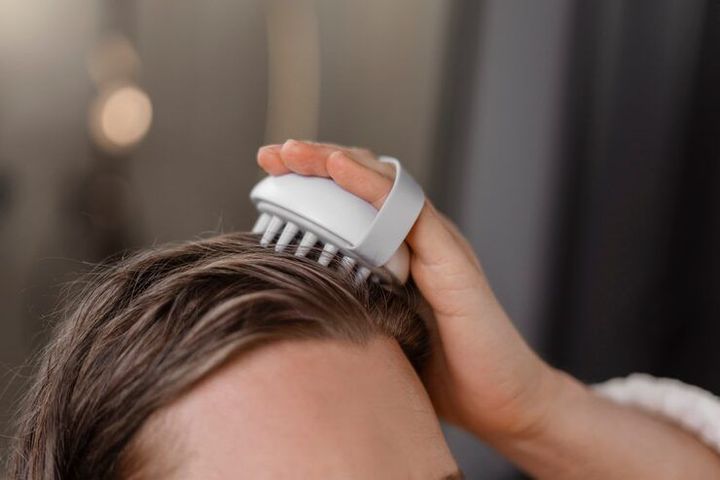
Head Massager Overview: Electric and Manual Types, Device Features and Selection Factors
A head massager is a handheld or powered device designed to apply gentle mechanical movement or pressure to the scalp and surrounding areas. Head massager designs range from simple manual tools with flexible tips to electric devices that use vibration, rotating nodes, pulsation, or other mechanical movements.
Context
The concept comes from traditional scalp and head massage practices, in which fingers or simple tools are used to apply pressure and movement to the scalp. Modern devices adapt these techniques into compact equipment intended for personal use.
An electric head massager generally uses a small motor and one or more moving components. Depending on the design, these components may rotate, vibrate, pulse, or move across the scalp. A manual head massager does not require a motor and is operated directly by hand.
Head massagers are generally associated with relaxation and temporary comfort. They should not be treated as diagnostic equipment, and claims that a device can treat a medical condition require appropriate evidence and regulatory support.
How head massagers work
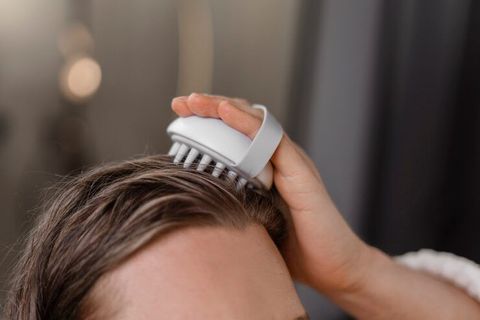
Manual devices transfer pressure from the user's hand through flexible tips, rounded rollers, or other contact points. The user controls the movement, pressure, direction, and duration.
Electric models generate movement through a motor or mechanical mechanism. Some have several intensity settings, while others use a fixed movement pattern. Certain models combine more than one movement mode.
| Head massager type | Main mechanism | User control | Common design features |
|---|---|---|---|
| Manual scalp tool | Hand-applied movement | High | Flexible tips, rollers, ergonomic handle |
| Electric vibrating model | Motor-driven vibration | Low to moderate | Multiple intensity settings |
| Rotating scalp massager | Motor-driven rotating nodes | Moderate | Rotating contact points, detachable heads |
| Pulsating model | Repeated mechanical pulses | Moderate | Pulse settings, timed operation |
| Water-resistant electric model | Motor-driven movement with protected housing | Moderate | Sealed construction, rechargeable battery |
Importance
Head massage has remained relevant because the scalp and surrounding head and neck area can accumulate physical tension during ordinary activities. Extended screen use, repetitive posture, daily routines, and periods of stress can contribute to a feeling of tightness around the head, neck, or shoulders.
A head massager provides a way to apply mechanical movement without relying entirely on finger pressure. For some people, the main purpose is relaxation, while others may use a device as part of a personal scalp-care routine.
The practical challenge is choosing a device that matches the intended use. A compact manual tool may provide direct control, whereas an electric head massager can provide repeated movement without continuous hand motion.
Factors that influence the experience
Several factors can affect how a head massager feels and how practical it is to use:
- Contact pressure determines how strongly the device presses against the scalp.
- Tip design influences the sensation across the scalp.
- Movement pattern determines whether the device vibrates, rotates, pulses, or combines movements.
- Handle shape affects how easily the device can be controlled.
- Weight influences comfort during longer periods of use.
- Noise level can matter when the device is used in quiet surroundings.
- Battery design affects how often an electric model needs to be recharged.
- Cleaning requirements matter when the device comes into regular contact with the scalp.
Scalp and hair considerations
Hair length and density can influence how a head massager performs. Rotating mechanisms may interact differently with long or thick hair than with short hair, particularly when moving parts can catch or pull strands.
A device with flexible, rounded contact points may provide a different experience from one with rigid nodes. Users should follow the manufacturer's instructions regarding suitable scalp conditions, cleaning, and operating time.
Recent Updates
Between 2024 and 2026, head-massaging equipment has continued to move toward compact electric designs, rechargeable batteries, adjustable movement settings, and water-resistant construction. Many consumer models now combine several functions into a single handheld device rather than relying on one fixed movement pattern.
Another noticeable development is greater integration of electronic controls. Timers, intensity adjustments, battery indicators, and simple control panels are increasingly common features in powered personal-care devices.
Connected features are also appearing in some personal wellness equipment. However, connectivity does not necessarily determine the quality or suitability of a head massager. The mechanical design, contact surface, control system, and intended use remain important considerations.
Greater attention to device claims
Regulatory classification depends substantially on what a manufacturer says a device is intended to do. A general-purpose massager and a device making specific therapeutic or medical claims may therefore fall under different regulatory requirements.
For example, the U.S. Food and Drug Administration's current device database lists both manual and electric therapeutic massagers under its medical-device classification system. It also distinguishes other massager categories according to their intended functions and technical characteristics.
This distinction is relevant when reading product descriptions. A relaxation-oriented statement is different from a claim that a device diagnoses, prevents, or treats a medical condition.
Design changes in electric models
Rechargeable battery systems have made cord-free designs more common. Some devices also use removable contact heads, allowing components to be cleaned separately.
Water-resistant construction is another recurring feature, particularly in scalp-care devices designed for use around water. However, water resistance should not be interpreted as complete waterproofing unless the manufacturer's specifications state the applicable protection level.
Laws or Policies
Head massagers can fall under different regulatory categories depending on their design, intended use, claims, and market. Products positioned strictly for general personal use may be treated differently from products presented as medical devices.
In the United States, the FDA classification database identifies therapeutic electric massagers and therapeutic manual massagers under regulation number 890.5660, with both listed as Class I devices. Other massager categories can have different classifications.
The FDA also explains that medical-device classification depends on the generic device type and the level of regulatory control considered necessary for safety and effectiveness.
Regulatory frameworks can change according to jurisdiction. In the European Union, for example, the Medical Device Regulation applies to certain devices without an intended medical purpose when they are covered by specified categories. The European Commission has also continued updating medical-device guidance and implementation processes during 2024–2026.
These rules primarily concern manufacturers, importers, distributors, labeling, conformity assessment, and market access. For consumers, the practical point is that intended use and product claims can affect how a device is regulated.
Tools and Resources
Several simple resources can help readers understand head massagers and compare their technical characteristics without relying solely on advertising language.
Manufacturer specifications
The instruction manual and technical specification sheet can identify important information such as operating modes, battery type, charging method, water-resistance limitations, cleaning instructions, and recommended usage conditions.
The intended-use statement is also useful because it explains what the manufacturer designed the device to do.
Regulatory databases
Regulatory databases can help determine whether a particular device category is recognized within a medical-device framework. The FDA's Product Classification database, for example, provides information about device categories, regulation numbers, product codes, and classifications.
For products marketed in other jurisdictions, the relevant national or regional medical-device authority is the appropriate source for regulatory information.
Feature comparison checklist
A simple comparison table can make different head massager designs easier to understand:
| Feature | Manual type | Electric type |
|---|---|---|
| Power source | None | Battery or mains power |
| Movement control | Directly controlled by hand | Controlled by motor and settings |
| Intensity adjustment | User-controlled | Usually preset or adjustable |
| Noise | Generally minimal | Motor noise may be present |
| Maintenance | Simple cleaning | Cleaning plus charging or electrical care |
| Portability | Usually high | Depends on battery and design |
| Hair interaction | Depends on tip design | Moving parts require additional attention |
Instruction and safety information
The user manual remains an important resource because operating limitations vary between devices. It may specify areas to avoid, cleaning procedures, charging requirements, maximum operating periods, and conditions under which the device should not be used.
A device should not be used in a manner that conflicts with its instructions. If someone has a medical condition, recent injury, unexplained pain, or another health concern involving the head or scalp, general information about a massager should not replace professional medical guidance.
FAQs
What is an electric head massager?
An electric head massager is a powered device that uses a motor or mechanical mechanism to create movement against the scalp. Depending on the design, it may use vibration, rotation, pulsation, or another form of mechanical movement.
How does a manual head massager differ from an electric model?
A manual head massager is operated entirely by hand, allowing the user to control pressure and movement directly. An electric head massager uses powered movement, which can provide repeated mechanical action without continuous hand movement.
What features should be considered when selecting a head massager?
Relevant selection factors include the contact-tip design, movement type, intensity controls, weight, handle shape, noise, battery arrangement, cleaning requirements, and compatibility with the user's hair and scalp routine. Water resistance should also be checked if the device is intended for use near water.
Can a head massager be used on wet hair?
This depends on the particular device. Some electric head massagers are designed with water-resistant housings, while others are intended only for dry conditions. The manufacturer's instructions should determine whether the device can be used on wet hair or around water.
Can a head massager treat headaches or medical conditions?
A general head massager should not automatically be considered a treatment device. Although massage may feel relaxing for some people, persistent or unexplained headaches and other symptoms can have many causes and require appropriate medical assessment rather than relying on a personal massage device.
Conclusion
Head massagers range from simple manual tools to electric devices using vibration, rotation, or pulsation. Their practical differences include movement type, pressure control, contact design, power source, maintenance, and suitability for different hair and scalp conditions. Regulatory treatment can also vary according to intended use and the claims associated with a device. Understanding these factors provides a clearer basis for comparing head massager designs without treating general wellness equipment as medical treatment.