Courier Services Insights: Delivery Methods, Shipment Handling, Tracking and Logistics Processes
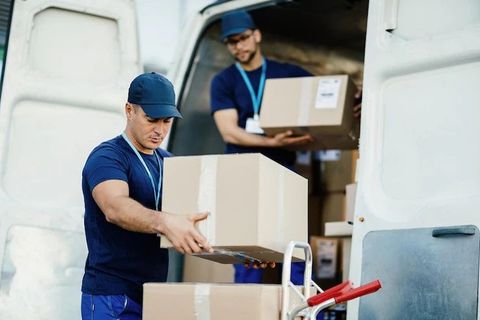
Courier services are an important part of modern transportation and logistics. They involve collecting, transporting, sorting, and delivering documents, parcels, packages, and other permitted goods from one location to another. These activities connect individuals, businesses, manufacturers, retailers, and distribution networks through organized delivery systems.
Context
The development of courier services is closely connected to the history of postal communication and commercial transportation. Earlier delivery systems relied on messengers, postal networks, railway transportation, and road-based distribution. As commercial activities expanded and communication became faster, dedicated parcel delivery networks developed to handle different shipment sizes, destinations, and delivery requirements.
Today, courier operations combine physical transportation with digital systems. Packages move through collection points, sorting facilities, distribution centres, transportation networks, and final delivery locations. Tracking systems, barcode scanning, shipment documentation, and route planning help coordinate these activities.
Main components of courier operations
Courier operations generally involve several connected stages:
Collection: A shipment is collected from the sender or received at a designated collection point.
Documentation: Shipment details, destination information, package descriptions, and relevant handling instructions are recorded.
Sorting: Packages are separated according to destination, transportation route, size, or handling requirements.
Transportation: Shipments move between facilities using road, rail, air, or other transportation methods.
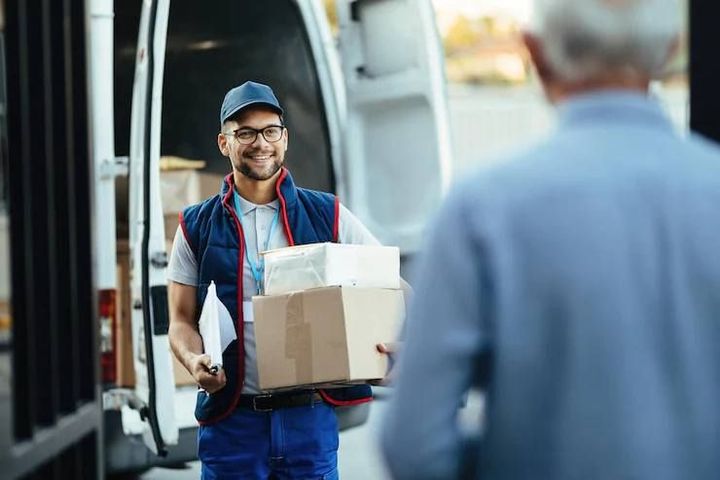
Final delivery: The package reaches the recipient's address or an authorized collection location.
Delivery confirmation: The completion of delivery may be recorded through a signature, electronic confirmation, or another accepted procedure.
Importance
Courier services support everyday communication, commercial activities, and the movement of physical goods. Individuals use them to send documents, personal belongings, and parcels, while businesses depend on organized delivery networks to distribute products, exchange paperwork, and manage inventory.
The growth of online shopping and digital commerce has increased the importance of parcel transportation. Customers often expect information about shipment progress, estimated arrival times, and delivery completion. Businesses also require predictable transportation arrangements to coordinate inventory, production schedules, and customer orders.
Who uses courier services?
Different groups depend on courier networks for different purposes:
Individuals: Sending personal documents, gifts, household items, and other permitted packages.
Retail businesses: Distributing customer orders from warehouses, shops, and fulfilment centres.
Manufacturers: Moving product samples, components, documents, and finished goods between facilities.
Healthcare organizations: Coordinating the transportation of permitted medical documents, equipment, and appropriately handled materials.
Educational institutions: Sending certificates, administrative documents, and learning materials.
Online businesses: Managing parcel movement between storage facilities and customer addresses.
Common shipment challenges
Although courier operations involve established procedures, transportation networks can experience delays and operational difficulties.
Weather conditions, traffic congestion, incorrect addresses, incomplete documentation, high shipment volumes, and transportation interruptions can affect delivery schedules. Packages may also require additional handling when they contain fragile, temperature-sensitive, oversized, or restricted materials.
Clear shipment information and suitable packaging help reduce avoidable handling problems. However, delivery estimates can change when circumstances outside the transportation network's control affect movement.
Understanding delivery methods
Different transportation methods are used depending on shipment size, destination, urgency, and handling requirements.
| Delivery method | Main transportation approach | Common application |
|---|---|---|
| Standard delivery | Scheduled road or combined transport | Routine parcel movement |
| Express delivery | Priority transportation and processing | Time-sensitive documents and packages |
| Same-day delivery | Local collection and distribution | Short-distance urban deliveries |
| International delivery | Air, sea, road, or combined transport | Cross-border shipments |
| Freight transportation | Road, rail, sea, or air cargo | Large or heavy consignments |
| Last-mile delivery | Local distribution to the recipient | Final stage of parcel movement |
The availability of each method depends on the transportation network, destination, shipment characteristics, and applicable operating requirements.
Recent Updates
Courier and logistics operations have increasingly adopted digital technologies, automated sorting equipment, and improved shipment visibility. These developments are changing how packages are processed, monitored, and distributed across transportation networks.
One noticeable trend is the growing use of electronic shipment documentation. Digital records can reduce repeated manual data entry and help different facilities access shipment information during transportation. Barcode scanning and electronic proof of delivery also make it easier to record package movement and completion status.
Automation and artificial intelligence
Automated sorting systems are increasingly used in large distribution facilities. Conveyor systems, barcode readers, dimension scanners, and automated sorting equipment help identify packages and direct them toward appropriate transportation routes.
Artificial intelligence is also being applied to logistics planning. Depending on the system, it can support delivery route planning, shipment-volume forecasting, warehouse coordination, and the identification of possible transportation delays.
These technologies assist operational planning but do not eliminate the need for human supervision, physical handling procedures, and exception management.
Real-time shipment tracking
Digital tracking has become a standard feature across many courier networks. Shipment records may be updated when a package is collected, processed, transferred between facilities, dispatched for delivery, or marked as delivered.
Some systems also use GPS information to provide location updates for vehicles or delivery personnel. However, a shipment tracking page does not necessarily display the exact physical location of every package at every moment.
Sustainable transportation practices
Environmental considerations have encouraged logistics operators to examine transportation efficiency and energy consumption. Electric delivery vehicles, alternative fuels, route optimization, reusable packaging, and improved vehicle utilization are among the approaches being explored.
The adoption of these methods varies according to infrastructure, transportation distance, vehicle requirements, and local operating conditions.
Tools and Resources
Several digital tools and information systems help organize courier operations and provide shipment visibility.
Shipment tracking platforms
Tracking platforms allow senders and recipients to follow package movement using a tracking number or shipment reference. Depending on the transportation network, the displayed information may include:
Shipment registration
Collection confirmation
Processing at a sorting facility
Departure from a distribution centre
Arrival at a destination facility
Out-for-delivery status
Delivery confirmation
Exception or delay notifications
Tracking information depends on scanning events and system updates. A delay between physical movement and a recorded update does not necessarily mean that a package has stopped moving.
Shipping calculators
Shipment calculators help estimate transportation requirements using information such as package dimensions, actual weight, destination, and delivery method.
Dimensional weight is particularly relevant for larger, lightweight packages. It is calculated using package volume and a carrier-defined dimensional factor. The applicable calculation method can differ between transportation providers and shipment categories.
Route planning and logistics software
Route planning platforms help organize delivery sequences, identify transportation routes, and coordinate vehicle movements. Some systems consider road conditions, delivery locations, vehicle capacity, and scheduled collection times.
Logistics management software may also connect inventory records, warehouse operations, shipment documentation, and delivery updates within a common digital environment.
Electronic shipment documentation
Digital shipment records can contain information such as:
Sender and recipient details
Shipment reference number
Package dimensions and weight
Contents description
Collection and destination locations
Handling instructions
Applicable customs information for international movement
Accurate documentation helps transportation facilities identify shipments and process them according to their requirements.
International logistics information
Cross-border shipments may involve customs declarations, import or export documentation, and information about the nature of the goods. The International Air Transport Association (IATA) provides guidance relating to air cargo transportation, including documentation and the handling of regulated or special cargo categories.
The World Customs Organization (WCO) also publishes information about customs procedures and international trade frameworks. These resources help explain the general processes involved in international shipment movement.
FAQs
What are the different types of courier services?
Common delivery categories include standard, express, same-day, international, freight, and last-mile delivery. Each method involves different transportation arrangements, processing priorities, and shipment requirements.
How does courier tracking work?
Courier tracking generally uses shipment reference numbers, barcode scanning, and electronic records. Updates are generated when packages pass through collection points, sorting facilities, transportation stages, and delivery locations.
What happens during the courier shipment handling process?
Shipment handling generally includes collection, documentation, sorting, transportation, destination processing, and final delivery. Additional procedures may apply to fragile, oversized, temperature-sensitive, or specially regulated goods.
What is the difference between standard and express delivery?
Standard delivery usually follows scheduled transportation arrangements, while express delivery involves priority processing or transportation arrangements. Actual delivery times depend on the origin, destination, shipment characteristics, and available transportation network.
What information is required for international courier shipments?
International shipments generally require accurate sender and recipient information, a description of the contents, package details, and applicable customs documentation. Additional declarations or supporting documents may be required depending on the goods and destination requirements.