Battery Production Line Explained: Manufacturing Stages, Equipment, Materials and Quality Control
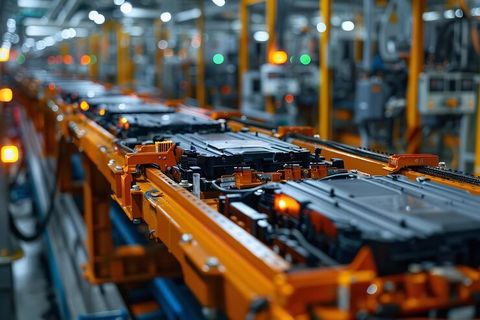
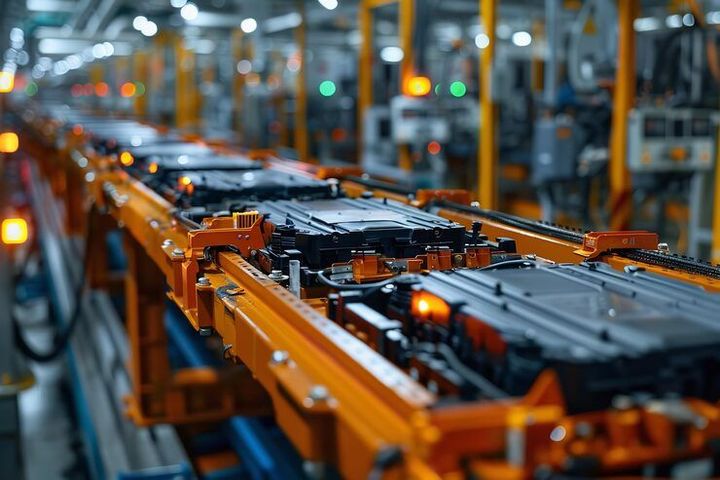
A battery production line is an organized sequence of machines, workstations, inspection systems, and material-handling processes used to manufacture rechargeable or non-rechargeable batteries. The exact production process depends on the battery chemistry, cell format, capacity, and intended application. Common rechargeable battery formats include cylindrical, prismatic, and pouch cells.
Context
Battery manufacturing begins with carefully prepared raw materials. Depending on the chemistry, these can include active electrode materials, conductive additives, binders, metal foils, separators, electrolytes, current collectors, casing materials, and other components. These materials are processed into electrodes before being assembled into cells.
A typical battery production line combines chemical processing, mechanical equipment, controlled environments, electrical testing, and inspection systems. The objective is to produce cells with consistent physical and electrical characteristics while controlling contamination, moisture, defects, and process variation.
Main battery production stages
Although production layouts differ, many rechargeable cell manufacturing processes can be described through several broad stages:
Raw material preparation
Electrode mixing
Coating
Drying
Calendering
Slitting
Electrode preparation
Cell assembly
Electrolyte filling
Sealing
Formation
Aging
Electrical testing
Inspection and final classification
Each stage has a specific purpose, and the output from one stage becomes the input for the next.
Common battery cell formats
The physical design of the cell affects equipment selection and assembly methods. Cylindrical cells use a rolled electrode structure inside a rigid cylindrical casing, while pouch cells use flexible packaging. Prismatic cells use a more rigid rectangular enclosure.
| Cell format | General characteristics | Common production considerations |
|---|---|---|
| Cylindrical | Round rigid casing | Winding, can assembly and sealing |
| Prismatic | Rectangular rigid casing | Stacking or winding and enclosure assembly |
| Pouch | Flexible outer package | Stacking, electrolyte filling and pouch sealing |
Importance
Battery production has become an important manufacturing activity because rechargeable batteries are used in many products, including portable electronics, energy-storage systems, industrial equipment, and electric mobility applications. As battery-powered technologies expand, manufacturers require production systems capable of handling materials and processes with consistent control.
Battery manufacturing is also challenging because cell performance can be influenced by small variations in material preparation, coating thickness, moisture levels, assembly alignment, electrical connections, and formation conditions. A production line therefore needs process controls at multiple stages rather than relying only on inspection at the end.
Why process consistency matters
A battery cell contains several components that must work together. Variations in electrode coating, separator placement, winding or stacking alignment, electrolyte quantity, or sealing can affect the resulting cell characteristics.
Quality control can therefore involve:
Material inspection
Particle and contamination monitoring
Coating-thickness measurement
Electrode weight measurement
Alignment checks
Weld inspection
Leak testing
Electrical testing
Capacity testing
Internal resistance measurement
Visual inspection
The exact tests depend on the battery chemistry, cell design, production method, and applicable technical requirements.
Recent Updates
Battery manufacturing has been developing rapidly, particularly in areas involving production automation, process monitoring, material efficiency, and manufacturing data. Recent industry activity has focused on increasing production capacity while improving consistency and reducing material waste.
Automation is increasingly integrated into electrode processing, cell assembly, inspection, and material handling. Machine vision systems can inspect components for physical defects, while sensors and process-monitoring systems can collect information from equipment during production.
Digital process monitoring
Modern battery production lines may connect manufacturing equipment with industrial data systems. Measurements from coating, drying, assembly, formation, and testing equipment can be recorded and analyzed to identify process variation.
Digital monitoring can also support traceability by associating production information with particular batches or individual cells. This approach allows manufacturers to examine process history when investigating quality variations.
Improvements in electrode manufacturing
Electrode production remains a major area of development. Mixing, coating, drying, calendering, and slitting require close control because electrode properties influence later assembly and cell behavior.
Manufacturers are also researching alternative electrode-production approaches, including processes designed to reduce drying requirements or simplify manufacturing steps. These approaches are still developing, and their suitability depends on the battery chemistry and production design.
Automation and inspection
Machine vision, robotic handling, automated assembly, and electrical testing are becoming more integrated into production environments. Automated inspection can examine dimensions, surfaces, welds, labels, and other physical characteristics without relying entirely on manual inspection.
Automation does not remove the need for process engineering and quality systems. Instead, it changes how measurements, material handling, inspection, and production decisions are performed.
Laws or Policies
Battery manufacturing is influenced by a combination of product requirements, environmental rules, workplace controls, transportation requirements, and chemical-management regulations. The exact requirements depend on the country, battery chemistry, application, manufacturing activity, and stage of the product lifecycle.
Production facilities may need to address areas such as chemical handling, worker protection, ventilation, waste management, emissions, storage, and transportation. Batteries can contain materials that require controlled handling, and manufacturing processes may involve solvents, reactive chemicals, combustible materials, or other industrial hazards.
Environmental policies are also increasingly concerned with battery collection, recycling, material recovery, and lifecycle management. These policies vary significantly between jurisdictions and may distinguish between industrial batteries, portable batteries, vehicle batteries, and other categories.
For a manufacturing facility, regulatory requirements should be evaluated according to its actual processes, materials, equipment, and location. This article does not establish legal requirements for a particular facility.
Tools and Resources
Several technical resources can help readers understand battery manufacturing and production-line design.
Battery manufacturing equipment
A complete production line can contain many different machine categories. Typical equipment includes:
High-shear or planetary mixers for electrode preparation
Coating machines for applying electrode slurry to metal foil
Drying systems for removing solvents or moisture
Calendering machines for controlling electrode thickness and density
Slitting machines for preparing electrode rolls
Winding or stacking equipment for cell assembly
Welding systems for electrical connections
Electrolyte filling equipment
Sealing equipment
Formation and aging systems
Electrical testing equipment
Automated inspection systems
The equipment arrangement varies according to cell chemistry, format, production capacity, and manufacturing method.
Measurement and testing equipment
Measurement systems are important throughout the production process. Depending on the manufacturing stage, equipment may measure thickness, mass, dimensions, electrical resistance, voltage, temperature, pressure, moisture, or other process variables.
Formation equipment is particularly important because newly assembled cells undergo controlled electrical cycling before final classification. The formation process helps establish the electrochemical characteristics of the cell and can involve controlled charging, discharging, monitoring, and temperature management.
Manufacturing records
Production records can include raw-material batches, machine settings, inspection results, test measurements, and production timestamps. These records can support process analysis and help identify relationships between manufacturing conditions and cell characteristics.
Quality-control framework
A practical quality-control structure can be divided into three broad levels:
| Quality-control stage | Main purpose | Typical examples |
|---|---|---|
| Incoming inspection | Check materials before processing | Composition, dimensions, moisture, contamination |
| In-process inspection | Monitor production stages | Coating, thickness, alignment, welding |
| Final inspection | Classify completed cells | Voltage, capacity, resistance, leakage, appearance |
The specific acceptance criteria are determined by the cell design, internal specifications, applicable standards, and intended application.
FAQs
What is a battery production line?
A battery production line is a sequence of manufacturing equipment and controlled processes used to convert battery materials and components into completed cells or battery assemblies. It can include electrode production, cell assembly, electrolyte filling, formation, aging, testing, and inspection.
What equipment is used in a battery manufacturing line?
A battery manufacturing line may include mixers, coating machines, drying systems, calendering equipment, slitting machines, winding or stacking machines, welding systems, electrolyte filling equipment, sealing machines, formation equipment, and electrical inspection systems.
What materials are used in battery production?
The materials depend on the battery chemistry. A rechargeable cell may contain active electrode materials, conductive additives, binders, current-collector foils, separators, electrolyte, casing materials, and electrical connection components.
How is quality control performed in battery production?
Quality control can take place during raw-material inspection, electrode production, cell assembly, formation, aging, and final testing. Common measurements include dimensions, coating characteristics, electrical properties, leakage, appearance, and capacity-related characteristics.
What are the main stages of battery manufacturing?
The main stages can include material preparation, electrode mixing, coating, drying, calendering, slitting, cell assembly, electrolyte filling, sealing, formation, aging, and final testing. The sequence and equipment vary according to the battery chemistry and cell design.
Conclusion
A battery production line combines material preparation, electrode manufacturing, cell assembly, electrical processing, inspection, and testing into a coordinated manufacturing system. Equipment selection and process design vary according to battery chemistry, cell format, production requirements, and quality criteria. Recent manufacturing developments include greater automation, digital process monitoring, machine vision, and research into alternative production methods. Quality control remains an integral part of battery production because material consistency, process conditions, assembly accuracy, and electrical characteristics can influence the resulting cells.