Explore Foot Massage Machine Types, Modes, Real Benefits & Selection Factors
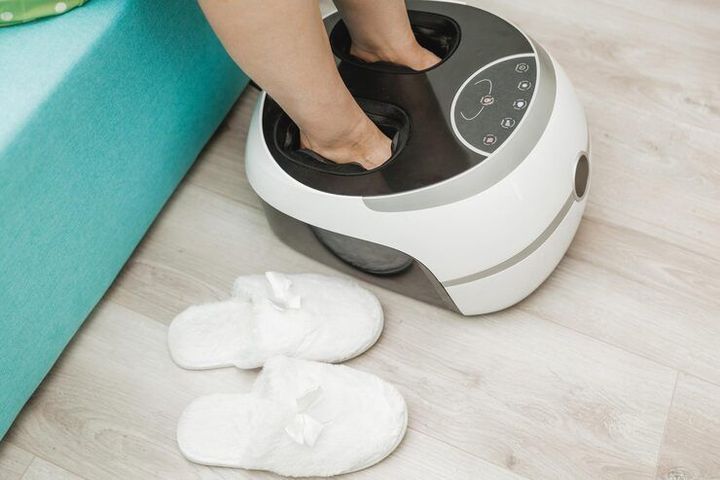
A foot massage machine is an electronic or mechanical device designed to apply massage-like movements, pressure, vibration, heat, or combinations of these functions to the feet. Modern machines range from compact platforms that stimulate the soles to enclosed units that surround the feet and lower legs.
Context
A foot massage machine is an electronic or mechanical device designed to apply massage-like movements, pressure, vibration, heat, or combinations of these functions to the feet. Modern machines range from compact platforms that stimulate the soles to enclosed units that surround the feet and lower legs.
Foot massage has a long history across different forms of traditional and complementary care. Mechanical devices developed from the idea of reproducing some of the pressure and kneading movements associated with hands, allowing users to receive foot-focused massage without another person performing the movements.
Different foot massage machine types use different mechanisms. Some rely mainly on rotating massage heads, while others use air compression, vibration, rolling mechanisms, heat, or combinations of these approaches.
The intended purpose also varies. Some machines are designed primarily for relaxation, while others are marketed around temporary relief from everyday foot discomfort or muscle tension. The evidence for massage varies by condition, technique, and outcome, so the effects of a machine should not be treated as equivalent to medical treatment. Research reviews have found that massage can have short-term effects on pain in some circumstances, while evidence quality differs substantially between conditions and studies.
How foot massage machines work
Most machines apply mechanical stimulation to specific areas of the foot. The mechanism may involve pressure against the sole, rolling movement along the arch, compression around the foot, or vibration.
Heat is sometimes incorporated into the design. Heat can create a warming sensation and may contribute to relaxation, but heat should not be assumed to treat an underlying medical condition.
A typical foot massage machine may include several controls for intensity, duration, massage pattern, and heat. More sophisticated models may also allow separate settings for different areas of the foot.
Importance
Feet experience repeated pressure and movement during standing, walking, running, and other daily activities. People who spend substantial periods on their feet may experience temporary tiredness, stiffness, or muscle discomfort.
A foot massage machine can provide a convenient way to apply mechanical stimulation to the feet while sitting. Its practical role is generally related to relaxation and temporary comfort rather than diagnosis or treatment of an underlying condition.
Potential benefits and limitations
Massage research provides some evidence of short-term effects for certain types of pain, although results vary by condition and type of massage. A recent systematic review covering massage research from 2018 through 2023 found that only a minority of reviewed conclusions reached moderate certainty, while none reached high certainty.
For foot-focused techniques, research has also examined outcomes such as pain, fatigue, and sleep. Evidence from foot reflexology studies has reported potential effects on some of these outcomes, but reflexology findings should not automatically be applied to every mechanical foot massage machine.
Possible everyday effects can include:
- Temporary relaxation after periods of standing or walking
- A sensation of reduced muscle tension
- Temporary comfort associated with mechanical pressure
- A warming sensation when heat is used
- A convenient way to incorporate short periods of relaxation into a routine
These effects differ between individuals. A machine should not be considered a replacement for assessment when persistent pain, swelling, numbness, skin changes, weakness, or other unexplained symptoms are present.
Comparing common machine types
| Machine type | Main mechanism | Common features | Main consideration |
|---|---|---|---|
| Rolling foot massager | Rotating rollers | Rolling, kneading | Pressure can vary by foot position |
| Air-compression machine | Inflatable chambers | Compression, adjustable intensity | Fit around the foot matters |
| Vibration massager | Rapid mechanical movement | Vibration levels | Sensation varies between users |
| Shiatsu-style machine | Massage nodes and rollers | Kneading and pressure | May apply concentrated pressure |
| Heated foot massager | Massage combined with warmth | Heat control, massage modes | Heat sensitivity should be considered |
| Foot-and-calf machine | Extended massage area | Foot and lower-leg compression | Larger size and wider coverage |
Recent Updates
From 2024 through 2026, the general direction of the foot massage machine market has been toward greater control over massage patterns and more integrated electronic features. Products increasingly combine several mechanisms within one device rather than relying on a single movement.
Digital controls have also become more common. Depending on the design, users may be able to select different programs, adjust intensity, control heat independently, or set an automatic operating period.
More adjustable massage modes
Many contemporary devices provide multiple modes rather than one continuous movement. A machine may combine rolling, kneading, compression, vibration, or warming functions.
The practical value of multiple modes depends on how clearly each setting changes the mechanical action. A larger number of programs does not necessarily indicate a stronger physiological effect.
Greater attention to safety information
Consumer health equipment has also received greater attention regarding intended use, warnings, operating instructions, and limitations. Regulatory treatment depends on the device's design and claims.
This distinction matters because a device intended for general massage can fall under different regulatory requirements from a device represented as treating or managing a medical condition. The U.S. Food and Drug Administration, for example, explains that massage equipment can be subject to medical-device regulation depending on its intended use and whether equipment is involved.
Connected features
Some newer devices incorporate electronic controls, digital displays, remote controls, or smartphone-related functions. These features mainly affect operation and tracking rather than changing the basic mechanical principle of massage.
Users should distinguish between convenience features and clinically established effects. Electronic connectivity alone does not establish that a particular massage mode provides a medical benefit.
Laws or Policies
Foot massage machines are subject to different rules depending on their design, electrical characteristics, intended use, and claims made about their function. A device intended solely for general massage may be treated differently from one promoted as a medical device.
Regulatory frameworks generally pay attention to areas such as electrical safety, product labeling, manufacturing requirements, consumer instructions, and claims about intended use. Requirements can therefore differ considerably between jurisdictions.
In the United States, the FDA explains that products involving massage equipment may fall under medical-device regulation depending on their intended use. Its product classification database also includes certain massage devices, illustrating how regulatory classification can depend on the device and its intended purpose.
Electrical products can also be subject to broader electrical-safety requirements outside medical-device rules. Consequently, regulatory status should not be inferred simply from the phrase "foot massage machine." The exact model, intended purpose, and jurisdiction determine which requirements apply.
For consumers, product instructions and applicable warnings are important because they describe the manufacturer's intended operating conditions, limitations, and precautions.
Tools and Resources
Several resources can help readers understand foot massage machines and evaluate their practical characteristics without relying only on advertising descriptions.
Product manuals and specifications
The manufacturer's operating manual is one of the most useful resources for understanding a specific machine. It can provide information about massage modes, operating duration, heat settings, cleaning instructions, electrical requirements, weight limits where applicable, and warnings.
The manual can also explain which parts of the foot are contacted by the machine and whether removable liners or other components require particular cleaning procedures.
Measurement and fit information
Foot dimensions and machine openings can influence comfort. For enclosed machines, readers can compare their foot length and width with the manufacturer's stated dimensions.
For compression-based devices, the available circumference range can be particularly relevant because excessive or insufficient compression may affect comfort.
Health information resources
Government health agencies, medical libraries, and peer-reviewed research databases can help distinguish general massage effects from claims about specific medical conditions. PubMed, for example, provides access to research literature concerning massage therapy, pain, and related subjects.
Usage records
A simple log can help identify how a person responds to different settings. It can record:
- Date and duration of use
- Selected massage mode
- Intensity level
- Heat setting, if applicable
- Comfort during and after use
- Any unusual sensations or discomfort
Such records describe personal responses and should not be interpreted as clinical measurements.
Basic selection factors
When comparing different foot massage machine types, relevant factors include:
- Massage mechanism
- Adjustable intensity
- Available massage modes
- Foot-size compatibility
- Heat controls
- Cleaning requirements
- Operating noise
- Machine dimensions and weight
- Control layout
- Automatic shutoff features
- Manufacturer instructions and warnings
The intended use should come before the number of features. Someone primarily interested in gentle relaxation may have different requirements from someone looking for stronger mechanical pressure.
FAQs
What types of foot massage machines are available?
Common types include rolling, vibration, air-compression, Shiatsu-style, heated, and foot-and-calf machines. Some models combine several mechanisms, allowing users to change the type or intensity of stimulation.
What are the real benefits of a foot massage machine?
Potential benefits may include temporary relaxation, reduced perception of everyday muscle tension, and short-term comfort. Research on massage indicates that effects can vary substantially according to the condition, technique, and outcome being studied, so broad medical claims should be treated cautiously.
How do foot massage machine modes differ?
Modes generally change the type, location, speed, or intensity of mechanical stimulation. Rolling may move pressure along the sole, kneading can apply repeated pressure, compression uses inflatable chambers, and vibration produces rapid mechanical movement.
Is heat useful in a foot massage machine?
Heat can provide a warming sensation and may contribute to relaxation. However, heat should be used according to the machine's instructions, particularly because reduced sensitivity to temperature can make excessive heat difficult to detect.
What should be considered when selecting a foot massage machine?
Important factors include the massage mechanism, intensity controls, foot dimensions, available modes, heat settings, cleaning requirements, operating instructions, and safety information. The machine's intended purpose and the user's individual circumstances should also be considered.
Conclusion
Foot massage machines use mechanical pressure, rolling, kneading, vibration, compression, heat, or combinations of these methods to stimulate the feet. Their potential effects are mainly associated with relaxation and temporary comfort, while research on massage shows varying levels of evidence across different conditions. Machine types differ substantially in their mechanisms, controls, coverage, and fit. Understanding these differences, along with operating instructions and applicable safety information, provides a clearer basis for evaluating foot massage equipment.