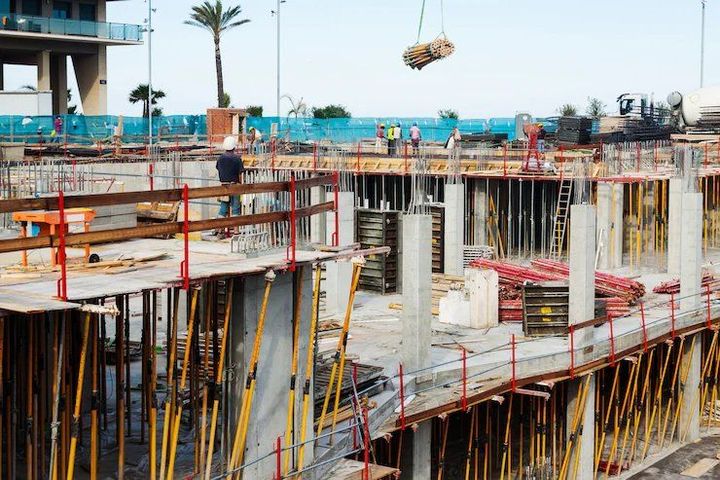
Explore Construction Equipment: Heavy Machinery, Applications and Project Considerations
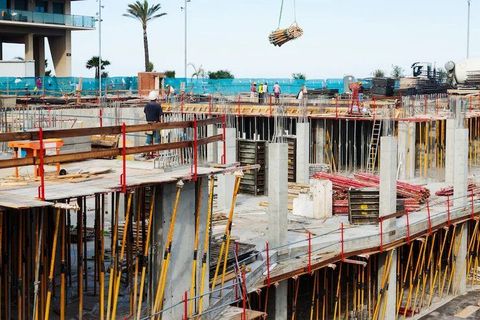
Construction equipment refers to the heavy machinery, mobile equipment, and specialized machines used to perform tasks involved in building, excavation, material handling, road development, demolition, and site preparation. Construction equipment ranges from compact machines used in confined areas to large earthmoving machinery designed for major infrastructure projects.
Context
Construction equipment refers to the heavy machinery, mobile equipment, and specialized machines used to perform tasks involved in building, excavation, material handling, road development, demolition, and site preparation. Construction equipment ranges from compact machines used in confined areas to large earthmoving machinery designed for major infrastructure projects.
The development of construction equipment is closely connected with the growth of modern construction. Earlier projects depended heavily on manual labor and basic mechanical tools. The introduction of powered machinery made it possible to move larger quantities of soil and materials, prepare sites more consistently, and perform demanding tasks with fewer manual operations.
Today, construction equipment includes excavators, backhoe loaders, wheel loaders, bulldozers, motor graders, skid steer loaders, cranes, compactors, concrete pumps, forklifts, and other specialized machines. Each machine is designed around particular operating requirements.
Main categories of construction equipment
Construction machinery can generally be grouped according to the task it performs. Earthmoving equipment handles soil and excavation, while lifting equipment moves materials vertically or horizontally. Road construction equipment focuses on grading, paving, and compaction, while material-processing equipment may prepare aggregates, concrete, or other construction materials.
| Equipment type | Common application | Typical task |
|---|---|---|
| Excavator | Excavation and site preparation | Digging, trenching and material handling |
| Backhoe loader | General construction | Excavation and loading |
| Wheel loader | Material handling | Loading and transporting loose materials |
| Bulldozer | Earthmoving | Pushing and spreading soil |
| Motor grader | Road and site preparation | Surface grading |
| Skid steer loader | Compact construction sites | Loading, grading and attachment work |
| Crane | Construction and infrastructure | Lifting and positioning materials |
| Compactor | Roads and foundations | Soil and aggregate compaction |
The selection of equipment depends on the physical characteristics of the site, the type of work, material conditions, access limitations, operating requirements, and project schedule.
Importance
Construction equipment plays an important role in projects where large quantities of material must be excavated, moved, compacted, lifted, or processed. Roads, buildings, drainage systems, bridges, utility corridors, and other infrastructure can involve tasks that require specialized machinery.
For the general public, the effects of construction equipment can be seen in the development and maintenance of transportation networks, buildings, public spaces, utilities, and industrial facilities. Equipment selection also affects how construction activities are organized around surrounding roads, buildings, workers, and communities.
Matching equipment to applications
Different machines perform different functions. An excavator, for example, is commonly associated with digging and trenching, while a wheel loader is designed primarily for loading and moving loose materials.
A machine can sometimes perform several tasks by using different attachments. However, attachment compatibility, machine capacity, operating conditions, and manufacturer specifications need to be considered before using an attachment.
Project considerations
Construction equipment planning involves several factors beyond the basic machine category. These may include:
- Site conditions: Soil type, terrain, slopes, ground stability, and available working space can affect machine selection.
- Task requirements: Excavation depth, lifting height, material type, grading requirements, and working distances influence equipment characteristics.
- Access: Narrow entrances, overhead restrictions, underground utilities, and nearby structures can limit the machines that can be used.
- Machine dimensions: Overall height, width, length, operating weight, and turning radius can influence movement around a site.
- Attachments: Buckets, forks, breakers, augers, blades, and other attachments can change how equipment is used.
- Operator requirements: Different machines have different controls, operating procedures, and training requirements.
- Site coordination: Multiple machines may need to work in the same area, requiring careful planning of movement and work zones.
Considering these factors helps create a clearer relationship between the equipment and the actual work required.
Productivity and operating conditions
Machine productivity is influenced by the type of material, travel distance, operator technique, weather, site layout, machine configuration, and work cycle. A machine that performs efficiently in one environment may have different results in another.
For example, an excavator working in compact soil may operate differently from one working in wet or unstable ground. Similarly, a wheel loader moving material over a short distance has different operating requirements from one repeatedly traveling between distant points.
Recent Updates
Construction equipment has been undergoing gradual changes involving automation, electrification, connectivity, operator assistance, and emissions management. These developments have become more visible as equipment manufacturers and construction organizations examine ways to improve machine monitoring, reduce unnecessary energy use, and manage increasingly complex projects.
Electrification and alternative power systems
Battery-electric construction equipment has expanded particularly in compact equipment categories. Electric excavators, loaders, and other smaller machines can be suitable for certain applications where operating characteristics, charging arrangements, and available working time align with project requirements.
Larger equipment presents additional engineering challenges because high-power applications require substantial energy storage and suitable charging infrastructure. As a result, different equipment categories are progressing at different rates.
Connected construction equipment
Telematics systems are increasingly incorporated into construction machinery. These systems can collect information such as machine location, operating hours, fuel or energy consumption, diagnostic information, and maintenance-related data.
The information can help equipment managers understand how machines are being used and identify operating patterns. Data accuracy, connectivity, privacy considerations, and compatibility between systems remain relevant when connected equipment is used.
Automation and operator assistance
Automation is also developing in areas such as machine control, grading assistance, collision awareness, and semi-automated operating functions. These technologies are intended to support specific machine tasks rather than eliminate the need for appropriate human oversight.
The level of automation varies considerably between equipment categories and manufacturers. Some systems provide guidance to an operator, while others can automate particular repetitive movements under defined conditions.
Digital project coordination
Construction projects increasingly use digital models, site-positioning technologies, machine-control systems, and cloud-based project platforms. When properly integrated, these technologies can connect equipment operations with broader project information.
The practical value depends on factors such as data quality, system compatibility, operator training, site connectivity, and the complexity of the project.
Laws or Policies
Construction equipment is affected by a range of regulations covering areas such as workplace safety, machine operation, environmental emissions, transportation, noise, and equipment maintenance. The exact requirements differ between jurisdictions and can also vary according to the type of project and machinery involved.
Because construction regulations change over time, equipment users should rely on the current requirements issued by the relevant national, regional, or local authorities rather than assuming that one set of rules applies everywhere.
Equipment safety requirements
Rules concerning construction machinery commonly address issues such as operator protection, machine guarding, lifting operations, visibility, safe access, inspection procedures, and workplace conditions.
Lifting equipment can be subject to additional requirements because loads must be handled within defined operating limits. Cranes and other lifting machines may therefore have specific inspection, documentation, and operating requirements.
Environmental considerations
Construction projects can also be subject to requirements concerning exhaust emissions, dust, noise, waste, and other environmental impacts. Equipment powered by internal-combustion engines may be affected by emissions standards that vary according to engine type, equipment category, and jurisdiction.
Large infrastructure projects may have additional environmental planning requirements. These can influence site layout, operating hours, material handling, and equipment selection.
Transport and site access
Large construction machinery may require specific arrangements when moved between sites. Dimensions, weight, road conditions, and transportation rules can influence how equipment is transported.
These requirements are separate from the machine's normal operation at a construction site. Project planners generally need to consider both transportation and on-site operating conditions.
Tools and Resources
Several tools can help people understand construction equipment and organize machinery-related information.
Equipment specification sheets
Manufacturer specification documents typically provide information about operating weight, dimensions, engine or motor characteristics, bucket capacity, lifting capabilities, attachment compatibility, and other technical parameters.
These documents are useful when comparing equipment characteristics against project requirements.
Productivity calculators
Construction productivity calculators can estimate factors such as excavation cycles, material movement, loading operations, and equipment utilization. Results are estimates because actual performance depends on site conditions and operating practices.
Digital site-planning tools
Digital construction platforms can combine site layouts, machine locations, project schedules, and equipment information. These systems are particularly relevant for projects involving several machines and work areas.
Equipment inspection checklists
Inspection checklists can help organize routine observations before or during equipment operation. Typical areas include tires or tracks, hydraulic components, visible structural damage, fluid levels, lights, alarms, attachments, and other machine-specific components.
The exact inspection procedure should follow the equipment documentation and applicable workplace requirements.
FAQs
What is construction equipment used for?
Construction equipment is used for activities such as excavation, grading, loading, material handling, lifting, compaction, demolition, and site preparation. Different machines are designed for different operating conditions and tasks.
What are the main types of heavy construction equipment?
Common types of heavy construction equipment include excavators, bulldozers, wheel loaders, backhoe loaders, motor graders, cranes, compactors, and skid steer loaders. Specialized machinery is also used for paving, drilling, concrete placement, and material processing.
How do I select construction equipment for a project?
Equipment selection depends on the task, material, site conditions, access limitations, machine dimensions, operating capacity, attachments, and project requirements. Equipment specifications should be considered alongside the actual working environment.
What are recent trends in construction equipment?
Current trends include equipment electrification, connected machinery, telematics, operator-assistance systems, machine-control technology, and increasing use of digital construction data. The availability and suitability of these technologies vary between equipment categories.
Why are equipment specifications important?
Equipment specifications provide information about dimensions, operating weight, capacity, power, attachment compatibility, and other characteristics. Reviewing these details helps establish whether a particular machine is suitable for the physical and operational requirements of a project.
Conclusion
Construction equipment includes a broad range of machinery designed for excavation, material handling, lifting, grading, compaction, and other construction activities. Selecting and operating equipment involves considering the task, site conditions, machine characteristics, attachments, access, and applicable requirements. Recent developments include electrification, telematics, automation, operator-assistance technology, and digital project coordination. Understanding these factors provides a foundation for evaluating how different construction machines are used across modern projects.