Air Cargo Services: Understanding Air Freight Operations, Handling and Delivery Processes
Air cargo is the movement of goods by aircraft between different locations. It is used for products that need to travel across long distances within relatively short transportation windows. Air freight operations involve several connected stages, including shipment preparation, documentation, acceptance, security checks, airport handling, aircraft loading, transportation, customs procedures, and final delivery.
Context
The development of air cargo is closely connected with the growth of commercial aviation and international trade. As aircraft became capable of carrying larger quantities of goods, companies and organizations began using aviation networks to move products, documents, equipment, medical supplies, electronics, food, and other cargo between regions.
Air cargo services involve several participants rather than a single organization. Shippers, freight forwarders, airlines, ground handlers, customs authorities, airport operators, security personnel, and delivery companies may all have different responsibilities during one shipment.
How air freight operations work
The air freight process normally begins when a shipper prepares cargo and provides information about the shipment. This can include the description of the goods, quantity, weight, dimensions, destination, and required documentation.
A freight forwarder or airline may then arrange transportation according to the shipment's characteristics. Cargo is prepared for handling and aircraft transportation, while documentation is checked before the shipment enters the airport cargo process.
The general movement can be understood as:
- Shipment preparation
- Documentation and booking
- Cargo acceptance
- Security screening
- Airport handling
- Aircraft loading
- Air transportation
- Arrival handling
- Customs clearance
- Final delivery
The exact sequence can vary depending on the route, cargo type, airport, regulatory requirements, and transportation arrangement.
Common types of air cargo
Air cargo can include many different categories. General cargo may consist of manufactured products, clothing, electronics, machinery parts, documents, or other goods that do not require special handling.
Special cargo may require additional procedures. Examples include temperature-sensitive products, live animals, dangerous goods, valuable items, and shipments requiring controlled environmental conditions. The handling requirements depend on the nature of the cargo and applicable aviation regulations.
Importance
Air cargo plays an important role in international supply chains because aircraft can connect distant markets through scheduled flight networks. It is particularly relevant when transportation time, product sensitivity, geographic distance, or supply-chain continuity is an important consideration.
Businesses are not the only groups affected by air freight operations. Individuals may receive personal shipments, while hospitals, research organizations, manufacturers, retailers, and humanitarian organizations can depend on aviation networks to move specific types of goods.
Air transportation also helps connect production and consumption across different regions. A product manufactured in one part of the world can pass through several logistics stages before reaching its final destination.
Why handling matters
Cargo handling is a critical part of the air freight process because shipments may pass through several facilities and change hands multiple times. Incorrect information, unsuitable packaging, damaged labels, or improper handling can create delays or safety concerns.
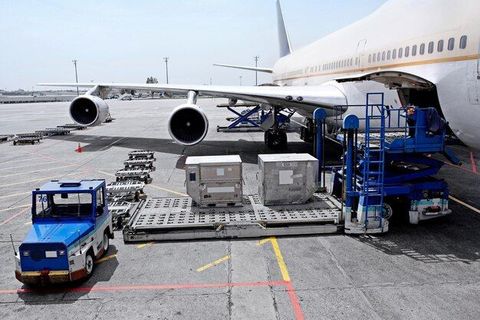
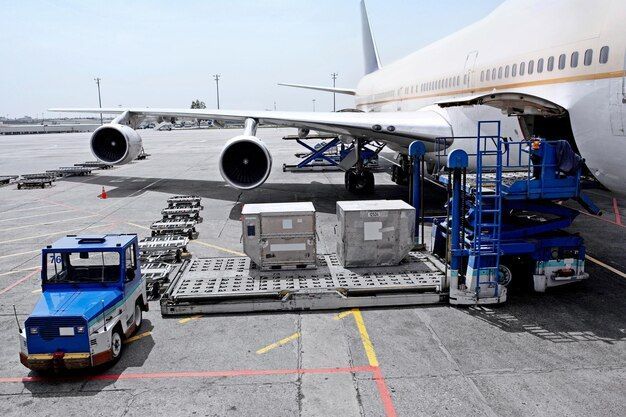
Proper handling involves checking shipment information, examining packaging, identifying special requirements, moving cargo through controlled areas, and preparing shipments for aircraft loading. Ground personnel also need to follow procedures for weight distribution and aircraft loading.
The role of documentation
Documentation allows different participants to understand what a shipment contains and how it should be processed. An air waybill is one of the key documents used in air cargo transportation.
The air waybill contains information associated with the shipment and provides a reference for transportation and handling. Electronic air waybills have also become increasingly common as the industry moves toward digital information exchange.
| Stage | Main activity | Important information |
|---|---|---|
| Preparation | Packing and labelling | Contents, weight, dimensions |
| Booking | Arranging transportation | Origin, destination, flight details |
| Acceptance | Cargo verification | Documents and shipment condition |
| Screening | Security checks | Cargo identification and security status |
| Handling | Movement and storage | Special handling requirements |
| Loading | Preparing aircraft cargo | Weight and loading position |
| Transportation | Movement by aircraft | Flight and tracking information |
| Arrival | Unloading and processing | Arrival documentation |
| Clearance | Regulatory processing | Customs information |
| Delivery | Movement to destination | Delivery details |
Recent Updates
Air cargo has experienced significant changes during 2024–2026. Global demand reached a record level in 2024, with IATA reporting an 11.3% increase in cargo tonne-kilometres compared with the previous year. Demand increased again in 2025, although the growth rate moderated to 3.4%.
E-commerce, changes in international trade patterns, supply-chain disruptions, and changing transportation capacity have influenced cargo flows. IATA reported that air cargo continued adapting to shifts in trade relationships and demand patterns during 2025.
Digital transformation
One of the major developments is the move from paper-based processes toward digital data exchange. IATA's ONE Record initiative is designed to create a shared digital record for shipments so that different participants can exchange standardized information across the transportation chain.
The industry moved toward ONE Record as the preferred method for cargo data exchange from the beginning of 2026. IATA reported that airlines representing more than 70% of global air waybill volumes were progressing toward implementation.
Digitalization can also support shipment visibility, customs data exchange, tracking, and coordination between airlines, freight forwarders, handlers, and other participants. The broader industry direction includes greater use of automation, standardized data, artificial intelligence, and connected information systems.
Sustainability and operational efficiency
Sustainability has also become an important area of discussion in air cargo. Industry initiatives increasingly examine aircraft efficiency, sustainable aviation fuel, packaging, waste reduction, and more efficient cargo handling.
Operational efficiency is another area receiving attention. Digital planning and better data can help cargo facilities understand available aircraft capacity and coordinate handling activities more effectively. IATA has identified digitalization, infrastructure, safety, regulation, and environmental factors as important areas shaping future cargo operations.
Laws or Policies
Air cargo is governed by a combination of international aviation standards, national regulations, customs requirements, security rules, and carrier procedures. Because cargo can cross multiple jurisdictions, several regulatory frameworks may apply to a single shipment.
The International Civil Aviation Organization establishes international standards and recommended practices for civil aviation. Dangerous goods transported by air are addressed through ICAO's Annex 18 and its Technical Instructions, which provide detailed requirements for safe transportation. The 2025–2026 edition applies to operations during that period.
Dangerous goods requirements
Dangerous goods include materials that may create risks to aircraft, passengers, crew, property, or the environment if they are not handled correctly. Examples can include certain batteries, chemicals, compressed gases, flammable materials, and other regulated substances.
Such shipments may require specific packaging, marking, labelling, documentation, classification, and handling procedures. The exact requirements depend on the material and applicable regulations.
Customs and security
International cargo also passes through customs procedures. Customs authorities examine shipment information to determine whether goods meet import or export requirements and whether applicable duties, taxes, restrictions, or permits apply.
Security procedures can include screening, access controls, cargo identification, and examination of shipments. Aviation security requirements are developed through international standards and national implementation measures. IATA has highlighted the importance of coordinated security measures and accurate information sharing across the air cargo chain.
Because requirements differ according to origin, destination, cargo category, and route, specific shipments may require additional documentation or regulatory checks.
Tools and Resources
Several resources help people understand and manage air freight operations. Air waybill systems provide shipment information, while tracking platforms can display movement updates as cargo passes through different transportation stages.
Digital cargo platforms are increasingly used to exchange shipment information between different participants. IATA's ONE Record framework is designed around standardized data sharing and a common view of shipment information.
For regulatory research, ICAO publications provide information about international aviation standards, including dangerous goods requirements. Customs authorities and government trade portals can provide information about documentation, declarations, import requirements, and restricted goods.
Common resources used in air cargo planning include:
- Air waybill documentation
- Shipment tracking systems
- Cargo booking platforms
- Customs declaration systems
- Cargo screening records
- Dangerous goods reference materials
- Digital shipment data standards
- Temperature-monitoring systems for sensitive cargo
Tracking devices can also provide information about shipment conditions such as temperature, location, or movement. These technologies are particularly relevant when cargo has specific environmental requirements.
FAQs
What are air cargo services?
Air cargo services refer to organized activities involved in transporting goods by aircraft, including booking, documentation, cargo handling, security screening, transportation, arrival processing, and final delivery.
How do air freight operations work?
Air freight operations generally begin with shipment preparation and documentation. The cargo is accepted, screened, handled at the airport, loaded onto an aircraft, transported to its destination, processed after arrival, cleared through applicable customs procedures, and moved to the final destination.
What is involved in air cargo handling?
Air cargo handling includes receiving shipments, checking documentation, inspecting packaging, security screening, storage, movement within cargo facilities, and preparation for aircraft loading or onward transportation.
What documents are needed for air cargo?
Requirements vary according to the shipment and route. Common documentation can include an air waybill, commercial information, packing details, customs declarations, and additional documents for regulated or special cargo.
How are dangerous goods transported by air?
Dangerous goods must meet specific aviation requirements covering classification, packaging, marking, labelling, documentation, and handling. ICAO's Technical Instructions provide detailed international requirements for their safe transportation by air.
Conclusion
Air cargo connects shippers, airports, airlines, handlers, customs authorities, and delivery networks through a sequence of coordinated transportation and handling processes. Documentation, security, cargo preparation, aircraft loading, customs procedures, and final delivery each play an important role in the movement of goods. Recent developments are increasing the use of digital data exchange, shipment visibility, automation, and standardized information systems. International aviation standards and national regulations continue to shape how different types of cargo are prepared, transported, and handled.