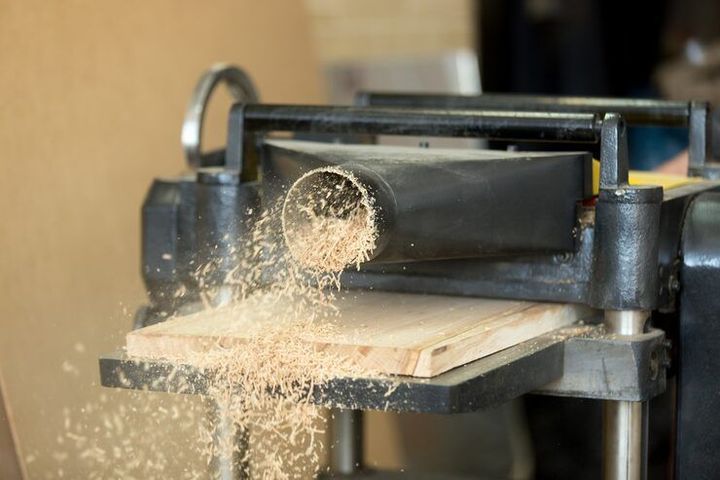
Wood Shredder Guide: Machine Types, Shredding Processes, Features and Industrial Applications
A wood shredder is industrial equipment designed to reduce wood materials into smaller pieces for further handling, processing, recycling, or conversion into other materials. Depending on the machine design, a wood shredder can process branches, logs, pallets, wooden packaging, boards, furniture components, sawmill residues, and other forms of wood waste.
Context
Wood shredding developed from the broader need to handle wood residues generated by forestry, woodworking, construction, furniture production, and manufacturing. Large pieces of wood can be difficult to transport, store, or process in their original form. Mechanical size reduction makes the material more manageable and can prepare it for downstream processes.
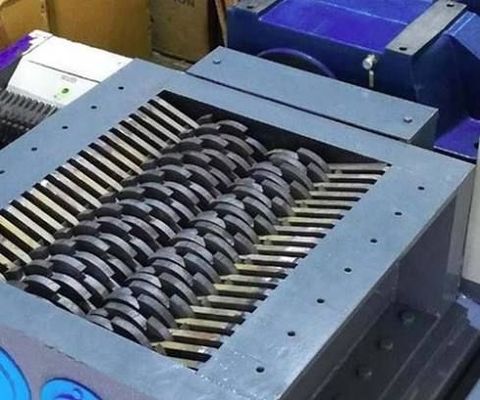
A wood shredder generally uses rotating shafts, cutting tools, discs, knives, or other mechanical elements to break material apart. The resulting pieces can range from relatively coarse fragments to smaller particles, depending on the machine configuration, screen arrangement, cutting system, and intended application.
Wood shredders are related to wood chippers, grinders, and hammer mills, but these machines are not identical. A chipper commonly produces chips from branches or logs, while a shredder may use tearing and cutting actions to process a wider range of wood residues. A grinder can further reduce material into smaller particles.
How a wood shredder works
The basic process usually begins with feeding wood into a hopper or intake area. The material moves toward the cutting chamber, where rotating components apply mechanical force.
Depending on the design, the machine may use one shaft or multiple shafts. Material can be pulled into the cutting area, cut or torn between rotating tools and stationary components, and then discharged for collection or additional processing.
A screen may be used to control the approximate particle size. Material that remains larger than the required opening can stay within the cutting chamber for additional size reduction.
Importance
Wood waste is generated across many activities, including forestry operations, sawmills, furniture production, construction, demolition, packaging, and pallet handling. Without appropriate processing, bulky wood residues can occupy substantial storage space and require additional handling.
A wood shredder can reduce the physical size of this material and prepare it for subsequent uses. Depending on the material and processing system, shredded wood may be directed toward biomass applications, engineered wood production, composting-related processes, mulch production, or other material-recovery pathways.
Why machine type matters
Different wood materials have different physical characteristics. Clean branches behave differently from painted boards, pallets containing fasteners, or mixed furniture waste.
Machine selection therefore depends on factors such as:
- Type of wood entering the machine
- Maximum material dimensions
- Moisture content
- Presence of nails, screws, or other contaminants
- Desired output size
- Required processing volume
- Feeding method
- Downstream processing requirements
A machine designed for clean forestry residues may not be appropriate for mixed construction wood. Material preparation and contamination control are therefore important parts of the overall shredding process.
Common wood shredder types
Wood shredders can be classified according to shaft arrangement, cutting mechanism, feeding configuration, and intended material.
| Shredder type | General operating principle | Typical material |
|---|---|---|
| Single-shaft shredder | Rotor and stationary cutting elements reduce material | Boards, pallets, production residues |
| Double-shaft shredder | Two rotating shafts pull and tear material | Bulky wood and mixed residues |
| Four-shaft shredder | Multiple cutting stages provide controlled reduction | Selected industrial waste streams |
| High-speed grinder | Rapid rotating tools reduce material into smaller particles | Wood residues and prepared feedstock |
| Mobile shredder | Shredding system mounted for movement between locations | Forestry and site-based processing |
These categories can overlap because manufacturers use different rotor, knife, screen, and feeding configurations.
Recent Updates
From 2024 through 2026, wood processing has continued to move toward greater automation, material monitoring, energy management, and integration with recycling and biomass-processing systems. Modern equipment may include sensors, automated feed control, variable-speed drives, reversing functions, and monitoring systems designed to respond to changes in material flow.
Automation can help regulate feeding when wood characteristics vary. Some systems can detect overload conditions and temporarily reverse or adjust the cutting mechanism to reduce the likelihood of material jams.
Focus on material recovery
Another continuing trend is the integration of shredding into larger material-recovery systems. A wood shredder may operate before screening, magnetic separation, conveying, drying, grinding, or other processing stages.
This is particularly relevant when the incoming material contains mixed components. For example, discarded pallets may contain wood along with metal fasteners, requiring additional separation equipment after size reduction.
Dust and safety considerations
Wood processing can generate airborne dust, and machinery can present hazards associated with moving components, noise, electrical systems, and stored mechanical energy. Current industrial approaches therefore place considerable attention on machine guarding, dust control, emergency controls, inspection, and maintenance.
In the United States, OSHA's woodworking guidance addresses machine guarding, wood dust, noise, vibration, electrical hazards, and maintenance. Its woodworking machinery requirements also specify safeguards for moving parts and controls.
European machinery regulation is also evolving. Regulation (EU) 2023/1230 establishes health and safety requirements for machinery, and related European technical standards include requirements applicable to various categories of shredders and chippers.
Laws or Policies
Wood shredders are affected by several types of rules, including machinery safety requirements, workplace health regulations, environmental rules, noise requirements, and waste-management legislation. The exact requirements depend on the jurisdiction, machine type, material being processed, and location of operation.
Because no country has been specified, the following principles are presented internationally rather than as country-specific legal advice.
Machine guarding and operator safety
Moving shafts, cutting tools, feed mechanisms, and transmission components require appropriate protection. OSHA's woodworking machinery requirements include provisions concerning machine controls, guarding, maintenance, and protection around moving parts.
Lockout and energy-isolation procedures are also relevant when equipment is being cleaned, cleared, inspected, or repaired. The machine should be brought to a safe state before personnel enter areas containing hazardous moving components.
Dust and fire considerations
Wood dust can create workplace health concerns and, under certain conditions, fire or explosion hazards. Industrial facilities may therefore use extraction, collection, ventilation, housekeeping, and monitoring systems appropriate to the material and process.
OSHA's sawmill requirements, for example, include provisions for collecting dust, shavings, chips, and slivers and for using exhaust or conveying systems around machines that generate these materials.
Waste-management requirements
Environmental rules may determine how wood waste is stored, transported, processed, and classified. Painted, treated, laminated, or contaminated wood can be subject to different requirements from clean untreated wood.
Businesses should therefore identify the applicable waste classification and environmental requirements before establishing a processing system.
Tools and Resources
Several resources can help readers understand wood shredding equipment and plan a processing system.
Machine specification sheets
Technical documents can provide information about rotor configuration, cutting chamber dimensions, feed opening, motor rating, shaft speed, screen arrangement, maximum material dimensions, and recommended material types.
These specifications should be considered together rather than as isolated figures because changing one part of a system can affect overall processing behavior.
Material assessment checklist
A basic assessment can record:
- Incoming wood type
- Average and maximum dimensions
- Moisture condition
- Contamination level
- Required output size
- Expected material flow
- Downstream processing stage
- Dust-control requirements
- Available electrical or other power supply
This information can help define the technical requirements of a shredding line.
Output-size testing
Screen openings and cutting configurations influence particle size, but actual output can vary with material characteristics and operating conditions. Sampling the processed material and measuring particle dimensions can provide useful information about whether the process is producing the intended feedstock.
Safety resources
Workplace safety authorities and machinery standards organizations provide technical information on guarding, hazardous energy, dust exposure, noise, and machine operation. OSHA's woodworking resources, for example, cover production hazards and machine safeguards.
FAQs
What is a wood shredder used for?
A wood shredder reduces wood materials into smaller pieces for handling, recycling, material recovery, biomass-related processing, or other downstream applications. The suitable output depends on the machine configuration and the intended process.
What are the main types of wood shredder machines?
Common configurations include single-shaft, double-shaft, four-shaft, and high-speed systems. Mobile units are also used where processing needs to occur at different locations.
What is the difference between a wood shredder and a wood chipper?
A wood chipper is generally designed to cut branches, logs, and similar materials into chips. A wood shredder can use tearing and cutting actions and may be configured for bulky or mixed wood residues. The distinction depends on the machine design and application.
What features should a wood shredder have?
Important features can include an appropriate feed opening, suitable cutting tools, controlled feeding, overload protection, emergency controls, accessible maintenance areas, appropriate guarding, and a discharge system compatible with the next processing stage.
Can a wood shredder process pallets and construction wood?
Some industrial shredders are designed to process pallets and selected forms of construction wood. However, material containing nails, screws, coatings, treated components, or other contaminants requires a machine and downstream system designed for those conditions.
Conclusion
A wood shredder is a size-reduction machine used to process different forms of wood residue into smaller, more manageable material. Single-shaft, double-shaft, four-shaft, mobile, and high-speed systems differ in their cutting mechanisms, feeding arrangements, and applications. Current wood-processing systems increasingly incorporate automation, material monitoring, dust control, and integration with downstream separation or processing equipment. Machine guarding, workplace safety, environmental requirements, material characteristics, and output specifications are important considerations when understanding industrial wood shredding.