Learn Stress Management Techniques for Better Mental Well-Being
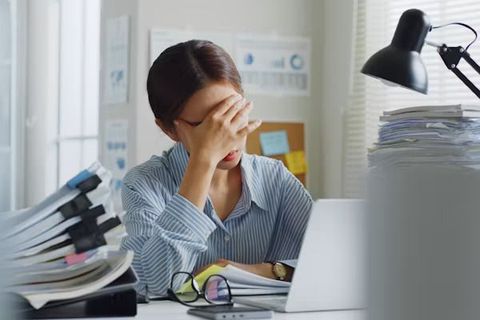
Stress is a natural response to difficult, demanding, or uncertain situations. It can involve feelings of worry, mental tension, irritability, difficulty concentrating, changes in sleep, and physical symptoms such as headaches or stomach discomfort. The World Health Organization (WHO) describes stress as a normal human response that can help people respond to challenges, while prolonged or excessive stress can affect mental and physical well-being.
Stress management techniques are practical methods used to cope with pressure and support mental well-being. They can include breathing exercises, relaxation, mindfulness, physical activity, regular sleep, maintaining daily routines, and connecting with trusted people.
Stress management does not mean eliminating every stressful situation. Everyday life can include academic pressure, family concerns, financial uncertainty, relationship difficulties, workplace demands, health concerns, and major changes. The purpose of stress management is to develop healthier ways of responding to these situations.
Understanding stress and mental well-being
Mental well-being involves the ability to cope with the normal stresses of life, learn, work, maintain relationships, and participate in everyday activities. WHO notes that mental health exists on a continuum and can be influenced by personal, family, community, and wider social circumstances.
Stress affects people differently. A situation that feels manageable to one person may feel overwhelming to another. The intensity and duration of stress, available support, personal circumstances, and previous experiences can all influence how someone responds.
Common signs of stress
Stress may appear through emotional, physical, cognitive, or behavioral changes. Common signs include:
- Feeling worried, tense, or irritable
- Difficulty concentrating or making decisions
- Trouble falling asleep or changes in sleep patterns
- Headaches or other physical discomfort
- Changes in appetite
- Feeling overwhelmed by ordinary responsibilities
- Reduced interest in usual activities
Persistent symptoms that interfere with everyday functioning may require assessment by a qualified health professional. Stress and a mental health condition are not necessarily the same thing, although prolonged stress can contribute to or worsen mental health difficulties.
Importance
Learning stress management techniques matters because stress is part of everyday life, while prolonged stress can affect sleep, concentration, mood, relationships, and physical well-being. Managing stress can therefore be one part of maintaining a balanced approach to mental health.
Stress can affect students preparing for examinations, adults managing work responsibilities, parents handling family demands, older adults experiencing changes in health or routine, and people dealing with difficult personal circumstances. Workplace conditions can also influence mental well-being. WHO identifies excessive workloads, low control, discrimination, insecurity, and other unhealthy working conditions as potential risks to mental health.
Practical stress management techniques
Several techniques can be incorporated into everyday routines. Their usefulness can vary between individuals, so there is no single approach that works in exactly the same way for everyone.
Slow breathing can help bring attention to the present moment. A person can breathe slowly and comfortably while paying attention to the movement of the breath rather than trying to force a particular breathing pattern.
Mindfulness involves noticing thoughts, feelings, bodily sensations, or surroundings without immediately reacting to them. WHO includes mindfulness and relaxation techniques among approaches that may help with stress-related difficulties.
Physical activity can also support mental well-being. This does not necessarily require intensive exercise. Walking, stretching, recreational movement, or another appropriate physical activity can become part of a regular routine.
Regular sleep is another important factor. WHO recommends consistent sleep habits, a comfortable sleeping environment, and limiting electronic-device use before bedtime when possible.
Social connection can provide emotional support. Talking with a trusted friend, family member, teacher, colleague, or health professional can make it easier to express concerns and identify practical ways to deal with difficult situations.
Matching techniques to everyday situations
| Situation | Possible approach | Purpose |
|---|---|---|
| Feeling overwhelmed | Slow breathing and grounding | Bring attention back to the present |
| Difficulty sleeping | Consistent bedtime routine | Support regular sleep |
| Work or study pressure | Break tasks into smaller steps | Reduce feelings of overload |
| Repeated worrying | Mindfulness or writing thoughts down | Observe and organize concerns |
| Social isolation | Contacting a trusted person | Increase social connection |
| Physical tension | Gentle movement or stretching | Encourage physical relaxation |
These approaches are general wellness techniques rather than substitutes for assessment or treatment when a mental health condition is present.
Recent Updates
From 2024 through 2026, mental health discussions have increasingly focused on prevention, workplace conditions, digital support, and practical psychological skills. WHO's recent material continues to emphasize coping skills, social connection, healthy routines, physical activity, and access to appropriate mental health care.
Greater attention to workplace mental health
Workplace mental health has received particular attention. WHO's 2024 World Mental Health Day campaign focused on mental health at work and highlighted the relationship between working conditions and psychological well-being. It noted that safe and healthy working environments can protect mental health, while discrimination, harassment, excessive demands, and other harmful conditions can create risks.
Current guidance also recognizes that stress management should not rely only on individual behavior. Organizational changes, communication, workload management, supportive supervision, and appropriate workplace arrangements can also be relevant.
Digital mental health resources
Digital approaches have also expanded. WHO continues to develop psychological self-help approaches that can help people learn structured techniques for managing stress and other mental health symptoms. Its resources include “Doing What Matters in Times of Stress,” which uses practical exercises involving grounding, noticing difficult thoughts and feelings, and connecting with personal values.
In India, the Tele-MANAS programme has expanded digital mental health support through telephone and related channels. Government information states that Tele-MANAS operates as part of the National Mental Health Programme and provides access through 14416 and 1800-89-14416.
Laws or Policies
In India, mental health care is supported by the Mental Healthcare Act, 2017. The legislation recognizes a person's right to access mental health care and treatment from mental health facilities run or funded by the appropriate government. It also establishes rights relating to dignity, confidentiality, access to information, and other aspects of mental health care.
National Mental Health Programme
The Government of India has operated the National Mental Health Programme since 1982. Its objectives include improving the availability and accessibility of mental health care, integrating mental health knowledge into general health care, encouraging community participation, and developing mental health resources.
The District Mental Health Programme forms part of this broader framework and supports mental health activities through district-level health systems. Mental health care is also being incorporated into primary health-care settings, including Ayushman Arogya Mandirs, where basic mental health screening and management are included among the expanded areas of care.
Tele-MANAS
Tele-MANAS is the digital component of India's National Mental Health Programme. The Government of India states that the programme is designed to provide 24-hour tele-mental health support across India, with links to additional care when required. The public can access the helpline through 14416 or 1800-89-14416.
Mental health policies can change, and specific legal requirements depend on individual circumstances. This article provides general information and is not a substitute for medical or legal advice.
Tools and Resources
Several reliable resources can support learning about stress management and mental well-being.
The WHO guide “Doing What Matters in Times of Stress” provides practical exercises for coping with adversity and can be used as a structured self-help resource. It includes techniques that focus on grounding, noticing thoughts and feelings, and reconnecting with meaningful activities.
WHO also provides public mental well-being resources covering stress, emotional well-being, sleep, social connection, and related subjects. These materials are designed to provide general health information rather than individual diagnosis.
For people in India who want mental health support, the Government of India's Tele-MANAS programme can be reached at 14416 or 1800-89-14416. The programme can connect people with trained counsellors and, when appropriate, additional mental health professionals.
A simple personal stress log can also help identify patterns. A person may record the situation, emotions, physical reactions, sleep, and coping approach used. Such notes can provide useful information when discussing persistent difficulties with a qualified health professional.
FAQs
What are stress management techniques?
Stress management techniques are practical methods for coping with pressure and supporting mental well-being. Common approaches include slow breathing, mindfulness, physical activity, healthy sleep routines, maintaining daily structure, and staying connected with trusted people.
How can stress management techniques improve mental well-being?
Stress management techniques can help people respond to difficult situations in healthier ways. They may support relaxation, emotional awareness, regular routines, sleep, and social connection, although individual responses can differ.
What are simple stress management techniques for daily life?
Simple approaches include taking a short walk, practising slow breathing, maintaining regular sleep and meal times, limiting excessive exposure to stressful news, and speaking with someone trusted. WHO includes these types of daily habits in its guidance on managing stress.
When should someone seek professional help for stress?
Professional help may be appropriate when stress becomes persistent, difficult to manage, or begins interfering with sleep, relationships, education, work, or everyday activities. Urgent help is appropriate when someone is at immediate risk of harming themselves or another person.
Is stress management enough for a mental health condition?
Stress management can be one part of supporting mental well-being, but it may not be sufficient for a diagnosed or persistent mental health condition. A qualified health professional can assess symptoms and determine what type of care may be appropriate.
Conclusion
Stress is a normal response to challenging situations, but prolonged or intense stress can affect mental and physical well-being. Stress management techniques such as mindfulness, slow breathing, physical activity, regular sleep, daily routines, and social connection can support healthier coping. Recent developments have also increased attention to workplace mental health and digital psychological support. In India, mental health care is supported through the Mental Healthcare Act, the National Mental Health Programme, and initiatives such as Tele-MANAS.
Disclaimer: The information provided in this article is for informational purposes only. We do not make any claims or guarantees regarding the accuracy, reliability, or completeness of the information presented. The content is not intended as professional advice and should not be relied upon as such. Readers are encouraged to conduct their own research and consult with appropriate professionals before making any decisions based on the information provided in this article