Japan Stay Booking Guide: Ryokan or Hotel — Which Is Right for You?
Japan offers several forms of accommodation, but two of the most familiar choices for travelers are hotels and ryokan. A hotel generally follows an internationally familiar accommodation format, while a ryokan is a traditional Japanese inn associated with tatami rooms, futon bedding, Japanese-style baths, and regional dining. Ryokan range from historic properties to modern establishments, so the experience can vary considerably between locations.
Context
The difference between a ryokan and hotel is therefore not simply about where a traveler sleeps. It can also involve room layout, bedding, meals, bathing arrangements, check-in routines, and the level of interaction with traditional Japanese customs.
Hotels are common in large cities, transportation hubs, business districts, and tourist areas. They may provide familiar room layouts with beds, private bathrooms, reception desks, luggage storage, and other facilities commonly associated with urban accommodation.
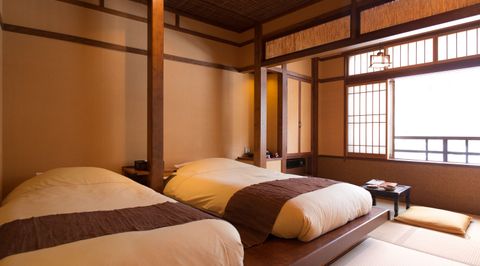
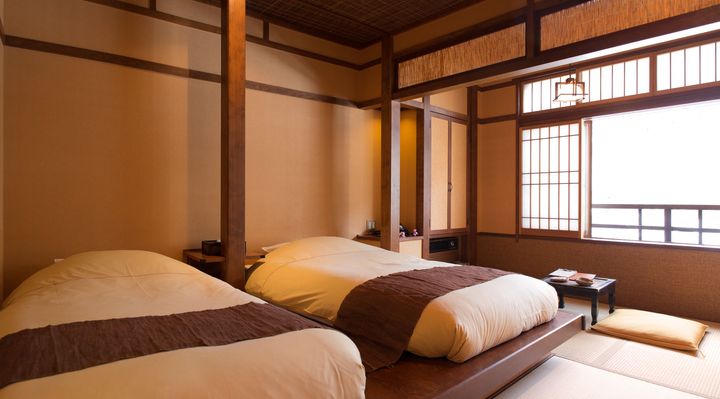
Ryokan are particularly associated with traditional Japanese culture and can be found in cities, rural areas, mountain regions, and hot-spring destinations. Some have tatami flooring, futons that are prepared for guests, yukata robes, communal baths, and meals based on seasonal ingredients.
Understanding the basic difference
A hotel is often structured around a standardized room format, while a ryokan may make the accommodation itself part of the travel experience. Neither format is identical across Japan, so travelers should check the individual property's room description and included arrangements before making a reservation.
| Feature | Hotel | Ryokan |
|---|---|---|
| Typical bedding | Bed | Futon or bed, depending on property |
| Room style | Western or modern | Often Japanese-style, but varies |
| Flooring | Usually standard flooring | Often tatami in traditional rooms |
| Bathroom | Often private | Private, shared, or bathhouse facilities may be available |
| Meals | Usually separate or optional | Some stays include Japanese meals |
| Bathing | Usually private bathroom | May include communal or private baths |
| Atmosphere | Modern and varied | Often incorporates Japanese traditions |
| Location | Common in cities and transport areas | Found in cities and regional destinations |
Importance
Choosing between a hotel and ryokan can affect how a traveler organizes an entire Japan itinerary. A hotel may fit naturally into a city-focused trip involving museums, shopping areas, business districts, or frequent train journeys. A ryokan may fit an itinerary where traditional architecture, Japanese meals, bathing customs, or a slower overnight experience are part of the plan.
The choice can also matter for travelers with different physical needs or daily routines. Tatami floors, floor-level seating, futons, shared bathing areas, stairs, and traditional room layouts may not suit everyone equally. Hotel rooms can also vary significantly, particularly in room size and bathroom configuration.
Factors that can influence the choice
Several practical questions can help clarify which accommodation format fits a particular trip:
- Sleeping arrangement: Travelers who prefer conventional beds may find a hotel room easier, although some ryokan also have beds.
- Room layout: Traditional ryokan rooms may use tatami flooring and floor-level furnishings.
- Meal preferences: Some ryokan packages include dinner and breakfast, while hotel stays may leave meals separate.
- Bathing preferences: Some ryokan have communal baths or hot-spring facilities, while hotels commonly have private bathrooms.
- Location: Hotels are frequently concentrated near major stations and urban centers, while some ryokan are located in hot-spring towns or quieter areas.
- Travel schedule: A late arrival or early departure may require checking reception hours and meal arrangements.
- Group composition: Families, couples, solo travelers, and larger groups may have different room-layout requirements.
Understanding ryokan etiquette
A ryokan can involve customs that are less familiar to international visitors. Depending on the property, guests may remove shoes before entering certain areas, wear a yukata, sleep on futons, or use a communal bathing area.
These practices are not identical at every ryokan. The Japan National Tourism Organization notes that traditional ryokan commonly incorporate features such as tatami flooring, futon bedding, baths, yukata, and Japanese meals, while also explaining that individual establishments can differ.
Reading the accommodation's instructions before arrival can therefore reduce uncertainty. Information about footwear, bathing arrangements, meal times, check-in procedures, and room access is particularly useful.
Recent Updates
Japan's accommodation landscape has continued to evolve as international tourism has expanded and travelers have developed different expectations around accommodation. Hotels, ryokan, and other licensed accommodation formats increasingly use online reservation systems, digital communication, electronic booking records, and multilingual information.
Another noticeable development is the wider use of technology within accommodation operations. Some properties use automated check-in systems, digital room information, electronic payment methods, and online reservation management. These changes can make some parts of a stay more familiar to international travelers, although traditional properties may retain more conventional procedures.
Changing expectations around accommodation
Travelers are also increasingly comparing accommodation based on the overall experience rather than room type alone. A ryokan can combine accommodation with regional food, traditional architecture, bathing, and local cultural practices, while hotels can provide a range of room formats and facilities suited to different travel purposes.
Some ryokan have also incorporated modern facilities while retaining traditional elements. This means the distinction between "traditional ryokan" and "modern hotel" is not always absolute.
Digital and connected booking
Online booking platforms have made it easier to compare room categories, meal plans, cancellation conditions, check-in information, and property facilities before arrival. Travelers should pay attention to the exact room description because two properties using the word "ryokan" may provide noticeably different experiences.
It is also useful to distinguish between accommodation classification and personal preference. A property described as a ryokan does not necessarily mean that every room uses futons or that every stay includes dinner and breakfast. Those details depend on the individual accommodation.
Laws or Policies
Accommodation in Japan is subject to national and local rules. The Hotel Business Act, known in Japan as the Ryokan Business Act, establishes a framework for businesses that accommodate people for payment. The Ministry of Health, Labour and Welfare explains that the framework covers categories including ryokan and hotel operations, simplified lodging operations, and longer-term lodging operations.
Operators conducting accommodation businesses covered by the Act generally require authorization from the relevant prefectural governor or, in designated municipalities, the appropriate municipal authority. Facilities must also meet applicable structural, equipment, hygiene, and other requirements established through national and local rules.
Japan also has a separate legal framework for certain forms of private-home accommodation. Under the Private Lodging Business Act, qualifying residential accommodation businesses operate through a notification system and are subject to specific conditions, including a statutory limit on the number of days such accommodation can operate during a year.
What travelers should understand
These rules mainly concern accommodation operators and the legal framework under which properties operate. For travelers, the practical point is to distinguish established accommodation categories and review the property's stated conditions before making a reservation.
Japan's Ministry of Health, Labour and Welfare continues to publish information concerning accommodation regulation and unauthorized lodging. Recent government materials also show continued attention to compliance with the Hotel Business Act.
Local rules can vary, particularly in areas that have additional accommodation-related requirements. Travelers with questions about a specific property or unusual accommodation arrangement should refer to information from the relevant local authority or the accommodation itself rather than relying on general travel information.
Tools and Resources
Several resources can help travelers compare Japan accommodation options without relying only on photographs or short descriptions.
Official tourism information
The Japan National Tourism Organization provides information about Japanese accommodation, including explanations of ryokan, traditional customs, and what guests may encounter during a stay. Its ryokan guide is useful for understanding terms such as tatami, futon, yukata, and Japanese-style meals.
Booking comparison tools
Online accommodation platforms can be used to compare:
- Room type and bedding
- Bathroom arrangements
- Meal inclusion
- Check-in and check-out times
- Cancellation conditions
- Guest capacity
- Location and transport access
- Accessibility information
The important point is to compare the complete room description rather than relying solely on the property category.
Maps and transport planners
A map application can help determine whether an accommodation is close to a railway station, bus stop, airport connection, or major sightseeing area. This can be particularly useful when comparing an urban hotel with a ryokan located outside a city center.
A simple accommodation checklist
Before confirming a Japan stay, travelers can record the following information:
| Item to check | Why it matters |
|---|---|
| Accommodation type | Clarifies whether the property is a hotel, ryokan, or another category |
| Room type | Determines layout and sleeping arrangement |
| Bedding | Confirms bed, futon, or another arrangement |
| Bathroom | Shows whether facilities are private or shared |
| Meals | Clarifies whether breakfast or dinner is included |
| Check-in time | Helps with arrival planning |
| Location | Shows access to transport and planned activities |
| Cancellation terms | Explains the conditions attached to changing plans |
| Accessibility | Helps identify relevant physical access information |
| Bathing arrangements | Clarifies private, shared, or hot-spring facilities |
FAQs
Is a ryokan or hotel better for a Japan trip?
There is no universal choice because the two formats serve different preferences. A hotel may suit travelers who prefer familiar room layouts and urban locations, while a ryokan may appeal to those interested in traditional Japanese accommodation features.
What is the difference between a Japan ryokan and hotel?
A Japan ryokan is a traditional Japanese inn that may feature tatami rooms, futons, yukata, Japanese meals, and communal or private baths. Hotels generally use more familiar modern room layouts, although Japanese hotels vary considerably in design and facilities.
Is a ryokan stay suitable for first-time visitors to Japan?
A ryokan can be suitable for visitors who want to experience traditional accommodation customs. Before booking, it is useful to understand the property's sleeping arrangements, footwear rules, bathing facilities, meal schedule, and check-in procedures.
Do Japan hotels and ryokan include meals?
Meal arrangements vary by property and reservation plan. Some ryokan packages include dinner and breakfast, while others provide accommodation without meals. Hotels may have restaurants or breakfast arrangements, but inclusion depends on the specific booking.
What should I check before Japan stay booking?
Review the room type, bedding, bathroom arrangement, meal details, check-in time, location, cancellation conditions, accessibility information, and any property-specific instructions. These details can help prevent misunderstandings about what the selected accommodation includes.
Conclusion
Japan hotels and ryokan provide different accommodation formats, with hotels generally using familiar modern layouts and ryokan incorporating varying degrees of traditional Japanese elements. The appropriate choice depends on factors such as sleeping arrangements, location, meals, bathing facilities, travel schedule, and personal preferences. Accommodation in Japan operates within national and local regulatory frameworks, while specific private-home lodging arrangements may follow separate rules. Checking the individual property's conditions and official information provides a clearer understanding of what a particular stay involves.