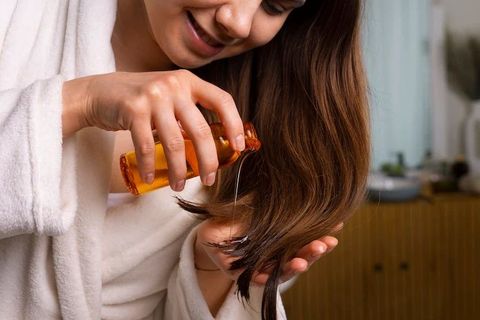
Hair Care Routine Advice for Healthy Hair: Daily Steps for Stronger, Softer Hair
A consistent hair care routine can help maintain the appearance, strength, softness, and manageability of hair. Healthy-looking hair is influenced by several factors, including hair type, scalp condition, washing habits, heat exposure, chemical treatments, nutrition, and environmental conditions. A practical routine does not need to involve many products or complicated steps.
Hair care needs can differ from one person to another. Straight, wavy, curly, and tightly coiled hair can respond differently to washing and styling practices. Similarly, oily scalps, dry scalps, dandruff, color-treated hair, and hair exposed to frequent heat may require different approaches. Understanding these differences is an important starting point for creating a daily hair care routine.
Understanding a Healthy Hair Care Routine
What a hair care routine means
A hair care routine is a set of regular practices used to maintain the scalp and hair. It can include cleansing, conditioning, detangling, drying, styling, and protecting the hair from physical or environmental stress.
The purpose is not to make every person's hair behave in the same way. Instead, a suitable routine should support the natural characteristics of the hair while avoiding habits that may contribute to dryness, breakage, scalp irritation, or excessive buildup.
Why hair type matters
Hair texture affects how moisture, oils, and styling products move along the hair shaft. Straight hair may become oily more quickly because natural scalp oils can travel along the strands relatively easily. Curly and tightly coiled hair can feel drier because those oils may not move as easily from the scalp toward the ends.
Hair characteristics can include:
- Straight, wavy, curly, or coily texture
- Fine, medium, or coarse strands
- Low or high density
- Oily, balanced, or dry scalp
- Natural or chemically treated hair
- Short, medium, or long hair
Recognizing these characteristics helps determine how frequently the hair may need cleansing, conditioning, detangling, and styling.
Why a Daily Hair Care Routine Matters
Hair is exposed to repeated physical stress during washing, brushing, drying, styling, and everyday movement. Excessive friction, strong heat, tight hairstyles, and rough handling can contribute to damage over time.
A sensible hair care routine focuses on reducing unnecessary stress rather than attempting to change the natural structure of the hair. Small habits, such as handling wet hair gently and concentrating shampoo on the scalp, can make routine maintenance more manageable.
Common hair care challenges
People may experience different concerns depending on their hair and scalp. Common issues include:
- Dry or rough-feeling hair
- Excess scalp oil
- Tangling and knots
- Split or damaged ends
- Frizz
- Breakage
- Product buildup
- Scalp flaking
- Damage associated with heat styling
These concerns can have different causes. For example, dry-feeling hair may be associated with frequent washing, heat exposure, chemical processing, or environmental conditions. Persistent scalp symptoms may have causes that require assessment by a healthcare professional.
The role of scalp care
The scalp is the environment from which hair grows, so scalp care is an important part of a complete hair care routine. Regular cleansing can remove accumulated oil, sweat, dead skin cells, and styling residue.
However, excessive cleansing or aggressive scrubbing can irritate the scalp. The appropriate washing frequency depends on factors such as oil production, activity level, hair texture, and the use of styling products.
Daily Steps for Stronger and Softer Hair
A practical hair care routine can be organized around a few basic stages. The exact frequency of each step can be adjusted according to individual hair and scalp needs.
Start with gentle cleansing
Shampoo is generally applied primarily to the scalp rather than being vigorously rubbed through the entire length of the hair. When the scalp is cleansed, the product that rinses through the hair can also remove some surface residue.
Very hot water may leave hair feeling dry or uncomfortable for some people. Lukewarm water is generally a practical choice for regular washing.
Use conditioner appropriately
Conditioner helps improve the feel and manageability of hair after cleansing. It can reduce friction between strands and make detangling easier.
For many people, conditioner can be concentrated on the mid-lengths and ends, particularly when the scalp becomes oily easily. Hair that is very dry or textured may benefit from conditioning practices tailored to its needs.
Detangle carefully
Wet hair can be more vulnerable to stretching and breakage. Rather than pulling forcefully through knots, detangling can begin at the ends and gradually move toward the roots.
A wide-tooth comb or suitable detangling tool may help reduce unnecessary pulling. Working through small sections can also make the process easier when hair is heavily tangled.
Dry without excessive friction
Rubbing wet hair aggressively with a towel can create friction. Gently squeezing or wrapping the hair in an absorbent towel can reduce rough handling.
Allowing hair to dry naturally may reduce heat exposure, although the practicality of air-drying depends on hair type, climate, hairstyle, and personal preference.
Manage heat styling carefully
Hair dryers, straighteners, curling tools, and other heated devices can expose hair to high temperatures. Frequent or intense heat may contribute to dryness and structural damage.
When heat styling is necessary, practical precautions include:
- Using an appropriate heat setting
- Avoiding prolonged heat on one section
- Keeping heated tools moving when appropriate
- Allowing hair to dry sufficiently before using certain heated tools
- Using heat-protective products according to their directions
Building a Routine Around Hair Type
There is no single routine that suits every person. The frequency of washing, conditioning, and styling should reflect how the scalp and hair respond.
| Hair characteristic | Routine focus | Points to consider |
|---|---|---|
| Straight hair | Scalp cleansing and lightweight conditioning | Oil may become noticeable sooner |
| Wavy hair | Moisture balance and gentle styling | Heavy products may reduce natural movement |
| Curly hair | Moisture retention and careful detangling | Frequent manipulation may increase breakage |
| Coily hair | Moisture, gentle handling, and protection | Detangling may require extra time |
| Fine hair | Light conditioning and gentle handling | Heavy products may make strands appear flat |
| Thick hair | Thorough cleansing and sectioned care | Product distribution may require attention |
| Color-treated hair | Gentle cleansing and conditioning | Chemical processing can increase dryness |
Routine for dry hair
Hair that feels dry may benefit from reducing unnecessary washing, limiting high heat, and using conditioner regularly. Gentle detangling is also important because dry hair can become more difficult to manage.
The ends often receive more mechanical and environmental exposure than newer hair near the scalp. Concentrating conditioning on the lengths and ends may therefore improve manageability.
Routine for oily hair
An oily scalp does not necessarily mean that the hair lengths require aggressive cleansing. Shampoo can be focused on the scalp while conditioner is applied according to the needs of the lengths.
Washing frequency can vary considerably. Someone who exercises frequently or has a naturally oily scalp may need to cleanse more often than someone with a dry scalp.
Routine for curly and coily hair
Curly and coily hair often requires careful moisture management and gentle handling. Detangling from the ends upward can reduce unnecessary pulling.
Protective styling may reduce daily manipulation, but hairstyles should not be excessively tight. Repeated tension around the same areas can contribute to hair damage.
Recent Hair Care Trends and Developments
Hair care practices have continued to change between 2024 and 2026. One noticeable trend has been greater attention to scalp health rather than focusing only on the appearance of the hair lengths.
Increased focus on scalp health
Consumers and hair professionals have increasingly discussed the relationship between scalp condition and overall hair maintenance. Scalp cleansing, buildup management, and awareness of irritation have become common parts of hair care discussions.
At the same time, more products and routines are being marketed around scalp concerns. Product claims should be evaluated carefully because cosmetic products cannot necessarily address an underlying medical condition.
Simpler routines
Another continuing trend is the move toward fewer routine steps. Instead of using numerous products, many people are focusing on a smaller group of basic practices such as cleansing, conditioning, gentle drying, and controlled styling.
This approach can also make it easier to identify which products or habits may be contributing to irritation, buildup, or changes in hair texture.
Greater attention to hair damage
Heat exposure, chemical processing, tight hairstyles, and repeated mechanical manipulation remain important areas of discussion. Modern hair care guidance increasingly emphasizes reducing cumulative damage rather than relying only on products after damage has occurred.
Laws or Policies Affecting Hair Care Products
Hair care products are generally regulated under cosmetic, consumer protection, and product safety frameworks. Because the specific rules vary by country, the applicable requirements depend on where a product is manufactured, distributed, or used.
Cosmetic labeling requirements
Regulatory systems may establish requirements concerning ingredient declarations, product labeling, safety information, packaging, and certain claims. The exact requirements differ between jurisdictions.
Consumers can use ingredient labels to understand what a product contains and identify ingredients they already know they do not tolerate. However, an ingredient list alone cannot determine whether a product will suit a particular person's scalp or hair.
Product claims
Claims concerning hair growth, treatment of scalp conditions, or other health-related effects may be subject to additional regulatory requirements depending on the jurisdiction.
This distinction matters because cosmetic products and medical treatments can fall under different regulatory categories. Persistent hair loss, severe scalp irritation, sores, or other concerning symptoms may require professional assessment rather than routine cosmetic care alone.
Tools and Resources for Hair Care
Several simple tools can help people organize and understand their hair care routine.
Hair care routine checklist
A basic checklist can include:
- Washing frequency
- Shampoo use
- Conditioner use
- Detangling method
- Drying method
- Heat styling frequency
- Chemical treatments
- Scalp observations
- Changes in hair texture or shedding
Recording these factors can help identify patterns over time.
Ingredient and product references
Ingredient reference websites and cosmetic databases can help readers understand common ingredients used in shampoos, conditioners, styling products, and treatments. These resources can provide general information, but ingredient databases should not be treated as a substitute for professional medical guidance.
Hair and scalp assessment
Persistent changes in hair density, sudden shedding, scalp pain, significant itching, inflammation, or unexplained changes may warrant evaluation by a dermatologist or another qualified healthcare professional.
A routine focused only on cosmetic care may not address an underlying scalp or hair condition.
FAQs
What is a simple daily hair care routine for healthy hair?
A simple routine can include gentle cleansing when needed, appropriate conditioning, careful detangling, low-friction drying, and sensible heat management. The frequency should reflect individual hair and scalp characteristics.
How often should I wash my hair?
There is no universal washing schedule. Hair type, scalp oiliness, exercise, climate, styling products, and personal preference can all influence how often cleansing is appropriate.
What hair care routine is suitable for dry hair?
Dry-feeling hair may benefit from regular conditioning, gentle handling, reduced heat exposure, and avoiding unnecessary cleansing. If dryness is persistent or accompanied by scalp symptoms, professional assessment may be appropriate.
How can I make my hair softer and easier to manage?
Conditioning, gentle detangling, reduced friction, and careful heat use can improve the feel and manageability of hair. Results vary according to hair texture, condition, and styling practices.
Can a hair care routine prevent hair loss?
Routine hair care can help reduce some forms of breakage and mechanical damage, but it cannot prevent every type of hair loss. Persistent or sudden hair loss can have many possible causes and may require professional evaluation.
Conclusion
A healthy hair care routine is mainly about consistent, gentle habits that suit the individual's hair and scalp characteristics. Cleansing, conditioning, careful detangling, controlled drying, and sensible heat use can all contribute to better hair manageability and reduced physical stress. Hair needs vary considerably, so routines should be adjusted according to texture, scalp condition, styling practices, and environmental exposure. Persistent or unusual scalp and hair changes should be considered separately from ordinary cosmetic hair care.